


The "Leckerwissen" project
How the FiBL kitchen brings organic stories to life

Through the "Leckerwissen" project, the kitchen team of the FiBL restaurant brings produce from regional organic farms and FiBL projects to the table – allowing restaurant guests to experience its origins, the people behind it and the principles of organic farming.
At the same time, practical knowledge is generated on how other catering businesses can strengthen sustainable value chains and successfully utilise innovative products.
Tempeh made from yellow peas and corn
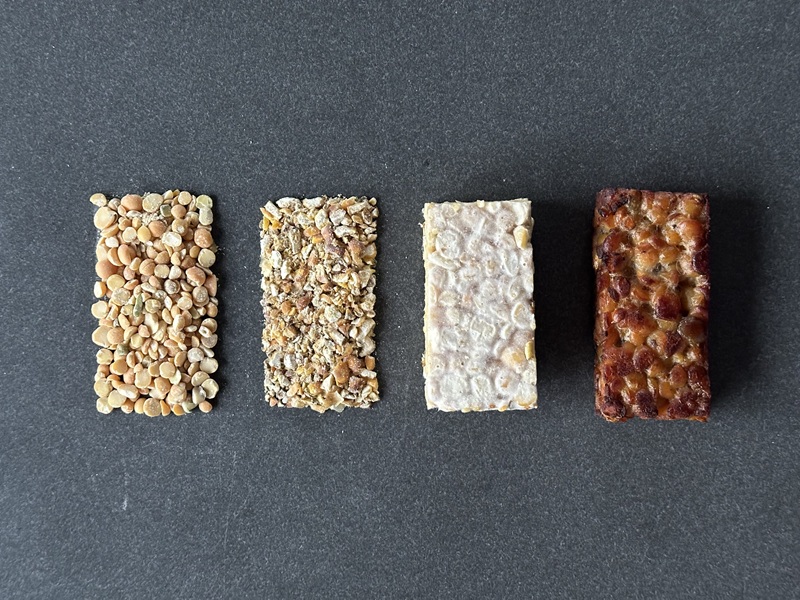
On 9 September 2026, the menu at the FiBL restaurant features tempeh. However, this won't be regular tempeh – which is traditionally made from fermented soya beans – but tempeh made from yellow peas and corn by the producer "Das Pure" in Wetzikon, in the canton of Zurich. While the corn adds a subtle hint of popcorn, the yellow peas provide a nutty flavour and plenty of plant-based protein.
Harnessing the potential of pulses
"Das Pure" is doing pioneering work in the processing of Swiss pulses. Cultivating them is beneficial for Swiss agriculture for various reasons, and they also have great potential for nutrition due to their high protein content. Nevertheless, it is a struggle to break them out of their niche status, largely due to a lack of demand. The manufacturer is countering this by processing a wide variety of Swiss pulses – for example, as part of the FiBL project "LEGU4FOOD". The project focuses on promoting the cultivation of niche crops in Switzerland through the development of innovative plant-based products. As part of this project, "Das Pure" has developed delicious tempeh, miso and shoyu made from peas.
Further information
Contact
Links
- fibl.org: The "LEGU4FOOD" project in the FiBL project database
- daspure.ch: Website of "Das Pure"
Yellow peas from a mixed-cropping trial
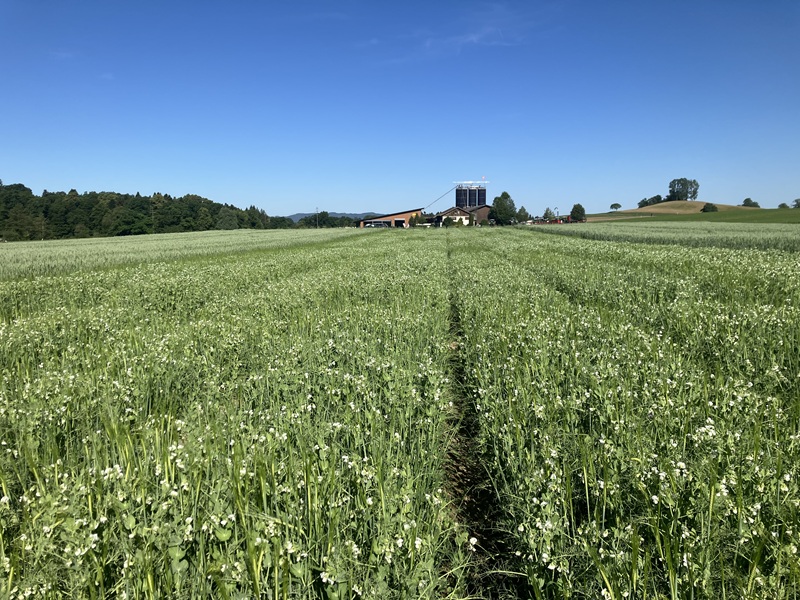
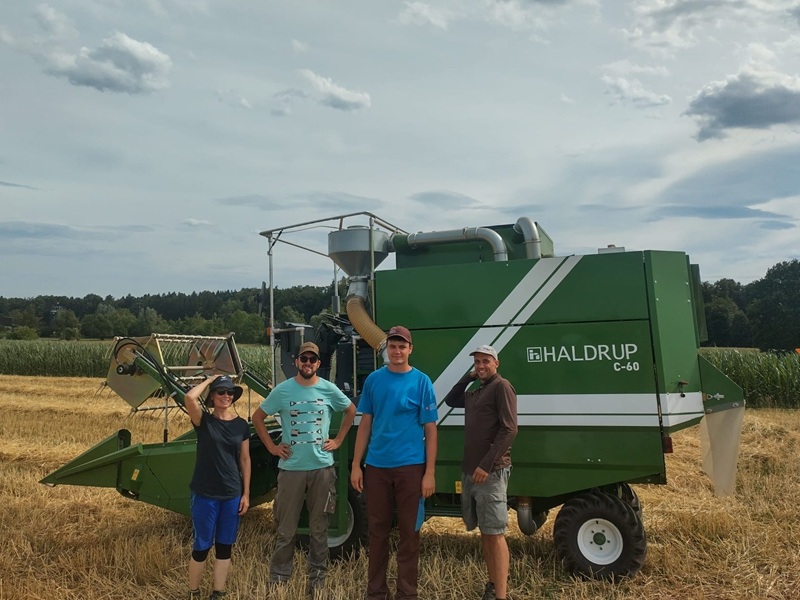
The yellow peas featured on the menu of 3 September 2026 come from a FiBL trial that is part of the EU research project LegumES. The aim of the trial is to identify the ideal summer barley variety as a companion crop for the peas. Barley suppresses weeds, acts as a support crop for the peas and thus increases their yield stability.
One crop, two names
Mixed cropping with field peas and barley is a tried-and-tested approach in organic farming for the production of high-quality, on-farm protein-rich feed. Known as 'yellow peas', field peas also offer interesting potential for human consumption – amongst other things, they are rich in protein and fibre.
Protein peas deliver excellent ecological benefits. Like all legumes, they live in symbiosis with nodule-forming bacteria, which fix nitrogen from the air into the soil. Farmers who grow field peas can therefore do without nitrogen fertilisers and benefit from a positive effect on the subsequent crop.
Furthermore, pea fields provide a food source for nectar-gathering insects at a time when rapeseed fields and fruit orchards are no longer in bloom.
Further information
Contact
Link
fibl.org: The "LegumES" project in the FiBL project database
Beef from the FiBL farm
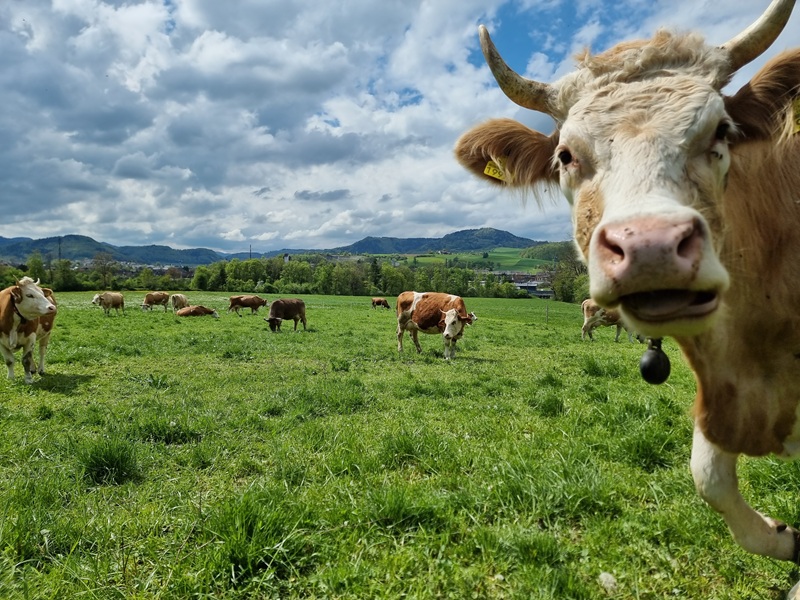
The menu for 2 September 2026 features pasta Bolognese with beef from the FiBL farm. The dairy cows at the FiBL farm live in a free-stall barn and are horned. Horned animals require sufficient space and a well-structured environment so that they can avoid each other. The FiBL barn is therefore specially designed to meet their needs.
Dual-purpose breeds such as Original Swiss Brown Cattle ("Braunvieh"), Simmental and Swiss Spotted Cattle ("Fleckvieh") are reared. These breeds are suitable for both milk and meat production. Rather than maximising milk yield, the focus is on hardiness, health and versatility. Furthermore, the animals cope well with the concentrate-free diet at the FiBL farm.
When cows from the FiBL farm are slaughtered, it is done via on-farm slaughter. The animals are anaesthetised and slaughtered on the farm in their familiar surroundings. This eliminates the need to transport them alive to the abattoir. Research by FiBL has shown that the level of stress experienced by the animals during on-farm slaughter can be many times lower than that experienced during slaughter at an abattoir. The meat is delivered to the FiBL restaurant, which sources almost all its beef from the FiBL farm, and is marketed directly.
Involved in FiBL projects
The cows on the FiBL farm are involved in various research projects run by the institute. For example, research has been carried out to determine which plants they prefer in the pasture when given a free choice. A current experiment is observing how companion animals react to the on-farm slaughter of a herd animal. In addition, lessons are regularly held in the barn. During these, students can, amongst other things, observe the fascinating processes of rumination directly in the animals.
Further information
Contact
Links
- fibl.org: Study on stress reduction during on-farm slaughter
- fibl.org: The "Pasture Lab" project in the FiBL project database
- fibl.org: FiBL farm
Meat from hens and cockerels
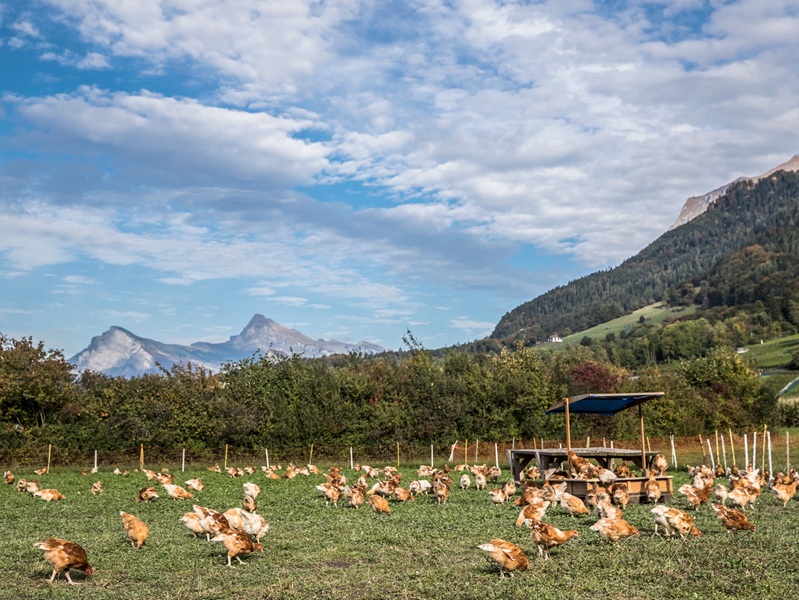
The menu for 12 August 2026 features a wrap with meat from both laying hens and their brothers. In today's poultry farming, laying hens are bred for egg production and broiler chickens for meat growth. However, egg production does not only consist of laying hens, but also their brothers – the cockerels. Male chicks from laying lines grow more slowly and put on significantly less meat than broilers. For this reason, they used to be killed immediately after hatching – even in the organic sector.
Since early 2026, all male chicks from laying lines have been reared on Bio Suisse farms (Bio Suisse is the umbrella organisation for Swiss organic farmers). FiBL has supported the phase-out of chick culling through practical research and assisted Bio Suisse in producing information materials.
Marketing challenges and innovative products
The meat of older hens, when they are slaughtered at the end of their laying period, is also part of the egg production cycle. Traditionally used as soup chickens, there is hardly any demand for them nowadays.
Meat from male chickens is also difficult to market. It is aromatic with a strong flavour; moreover, it is firmer and the meat cuts are significantly smaller than those of broiler chickens – therefore, it cannot simply replace conventional chicken.
To ensure that the meat of both hens and cockerels are put to good use, suitable products are needed. This is where the company Gallina, based in the canton of Graubünden, comes in: using meat from cockerels and older hens, it produces, amongst other things, chicken strips, nuggets, burgers, "Fleischkäse" and the products served at the FiBL restaurant. In similar fashion, some laying hen farms also process the meat from their old hens into products, which they sell directly.
Gallina's managing director, Roman Clavadetscher, is regarded as a Swiss pioneer in the rearing and marketing of organic cockerels. The company works with around a hundred farms and handles transport, slaughter, cutting, processing and packaging. The products are sold through farm shops, organic specialist shops, butchers, caterings, online shops and the retail sector.
Further information
Contact
Links
- bio-suisse.ch: Information from Bio Suisse on phasing out chick culling (in German, French, Italian)
- fibl.org: The project "Abandoning of male chick-killing in Swiss organic egg production" in the FiBL project database
- gallina.bio: Website of Gallina
Vegetables from the MBF Foundation's farm
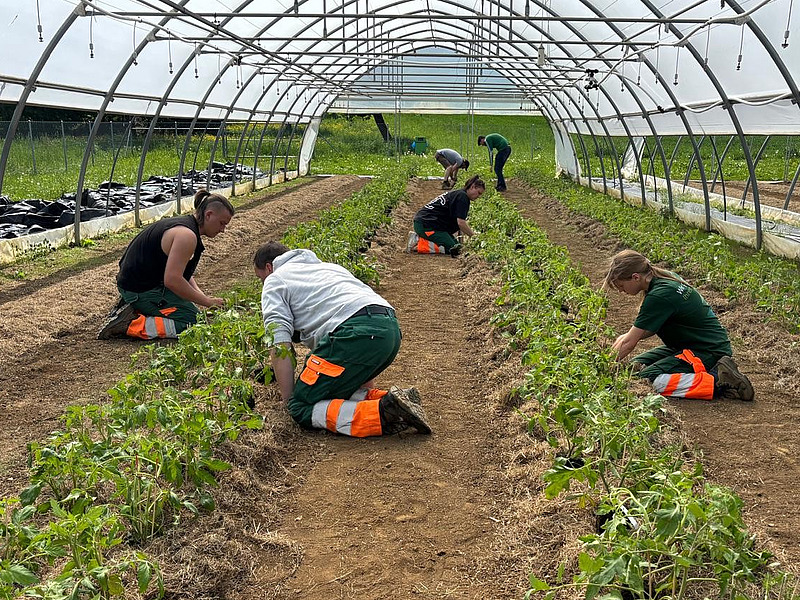
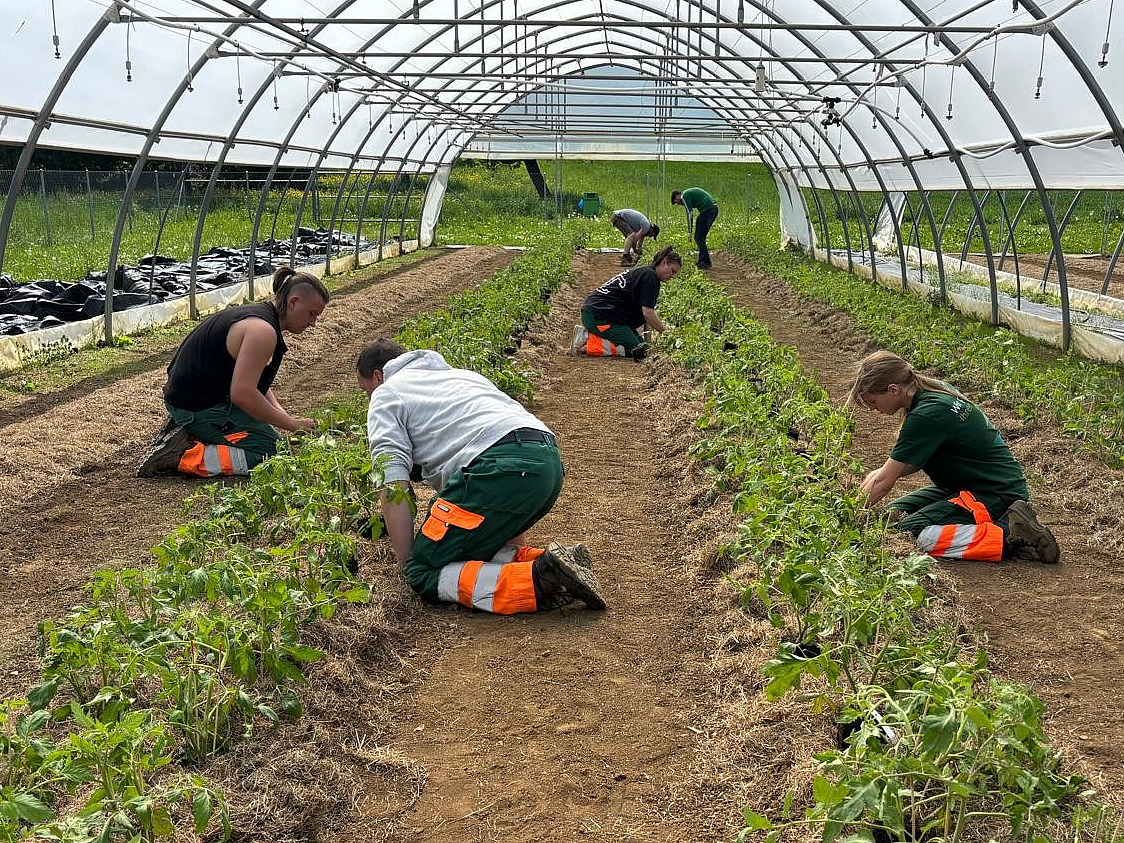
The broccoli on the menu for 10 June 2026 comes from the MBF Foundation's farm in Frick. There, more than 70 varieties of vegetables and herbs are grown year-round on about 1 hectare of open-air land and in four unheated polytunnels. The vegetables are Bio Suisse-certified (Bio Suisse = the umbrella organisation for Swiss organic farmers) and are grown and sold with the help of staff from the sheltered workplace. This dish thus combines regional organic food with meaningful work, participation and social commitment.
The MBF Foundation is a private-law social enterprise in the Fricktal region. It supports people in need of assistance in the areas of housing, school, education, work and vocational integration. The aim is to facilitate personal development, self-determination and participation in everyday life.
The Feldhof is more than just a vegetable farm. On the one hand, the team produces seasonal organic vegetables year-round in open fields and polytunnels, selling them directly at the farm shop and on Wednesdays at the weekly market in Rheinfelden (Switzerland). On the other hand, Feldhof offers professional garden maintenance and horticulture services. The team carries out minor garden alterations, plants and maintains public green spaces, industrial sites, residential developments and private gardens. Both areas of activity create meaningful jobs for people requiring support.
Further information
Link
mbf.ch: Information about the farm shop and the weekly market
FiBL project to promote organic chicory cultivation in Switzerland

Ludek Mica in the forcing house, where the chichory roots are grown in dark, damp and temperature-controlled halls after harvesting. (Photo: FiBL, Carlo Gamper Cardinali)
The chicory in the menu on 28 May 2026 comes from a current FiBL research project. The aim is to support Swiss organic producers in obtaining more high-quality organic chicory from healthy roots through better-adapted cultivation and forcing strategies. This dish thus combines culinary enjoyment with practical research aimed at strengthening regional organic production.
Chicory is a very high-quality food containing valuable bitter compounds and dietary fibre. What appears on the plate as a tender, pale head has a long history. It begins in the field, where the chicory roots first grow. After harvesting, these are forced in dark, damp and temperature-controlled halls – known as forcing houses. The darkness prevents the formation of chlorophyll, ensuring the heads remain light in colour and tender.
Organic chicory cultivation is demanding. Whether beautiful, compact and healthy heads develop in the forcing house depends heavily on the quality of the roots. A balanced supply of nutrients is particularly crucial for this; the correct fertilisation strategy in the field is therefore a key factor in determining the subsequent quality. Optimal fertilisation strategies have already been investigated by FiBL in a completed project and form an important basis for the further development of cultivation.
The current FiBL project also focuses on the processes in the forcing house. The aim there is to keep water, crates and growing conditions as clean as possible and to minimise plant diseases. This should further improve root health and head quality.
Around 640 tonnes of organic chicory are produced in Switzerland each year, with a further 500 tonnes imported. This shows that there is great potential for Swiss organic chicory. An important aim of the FiBL projects is to reduce losses and food waste. This is because if the heads remain too small or do not meet the required quality standards, they are often unsuitable for sale – even though a great deal of labour, land and resources have gone into them.
Further information
Contact
Link
fibl.org: The project in the FiBL project database
Pork from the FiBL farm
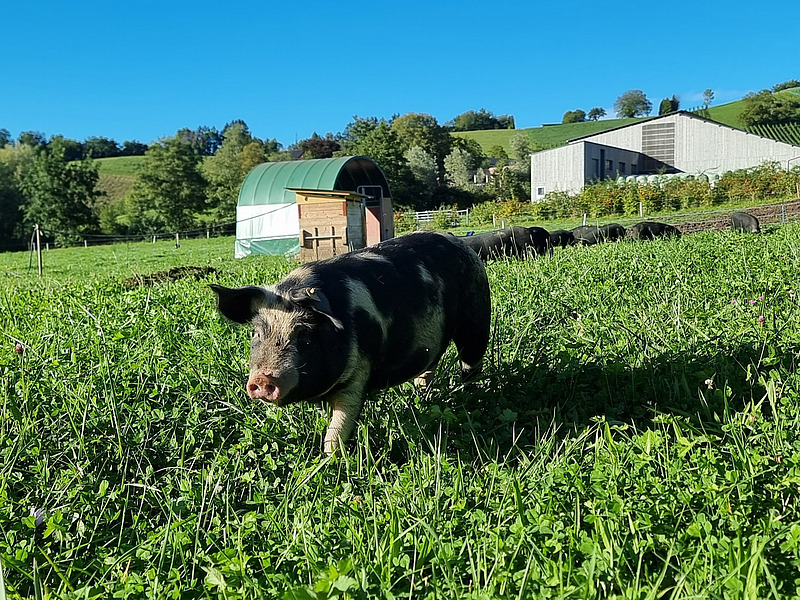


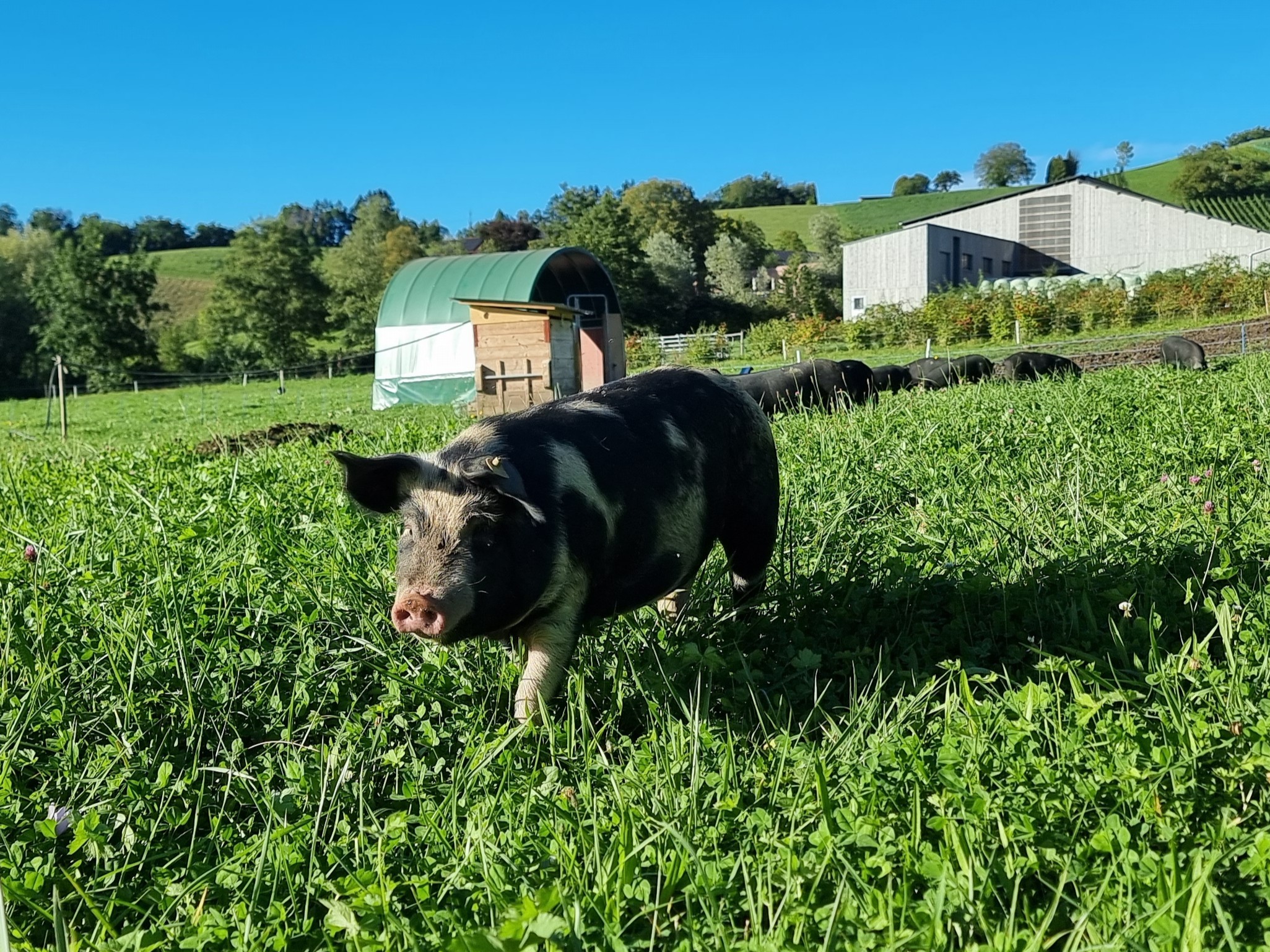
The meat on the menu for 27 May 2026 comes from pigs from the FiBL farm and the FiBL project "Unser Hausschwein". The animals were bred by FiBL pig expert Anna Jenni as part of the project and subsequently reared outdoors on the FiBL farm by farmer Pascal Nägele.
The aim of the "Unser Hausschwein" breeding project is to breed robust, healthy and undemanding pigs that are adapted to conditions in Switzerland and meet the requirements of extensive organic pig farming.
The pigs should
- be a good feed converter and undemanding,
- be in good health and robust,
- be suitable for free-range rearing, i.e. with a good foundation, meaning a sturdy build with strong legs, furthermore, its coat and colour should protect against the cold and sunburn,
- produce high-quality meat,
- have no more than 10 piglets per litter (the average in Switzerland is 13 piglets), as this helps the piglets to be stronger and reduces the strain on the sows.
Extensive organic pig farming includes free-range rearing. Outdoor rearing offers the pigs plenty of space to run about, fresh air and the opportunity to express their natural behaviours such as rooting and exploring. As pigs cannot sweat, they must also be provided with a way to cool down in high temperatures. At the FiBL farm, they have been given a spacious mud puddle to cool down.
Further information
Contact
Links
- unserhausschwein.ch: Website of the "Unser Hausschwein" project (in German)
- fibl.org: FiBL farm