


"Diversity within a cultivar is ideal for climate resilience"
Voices on climate
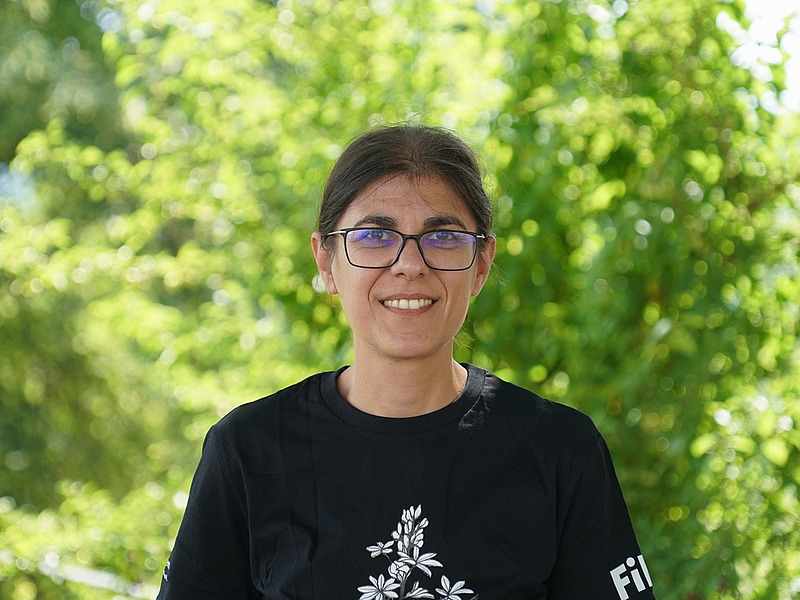
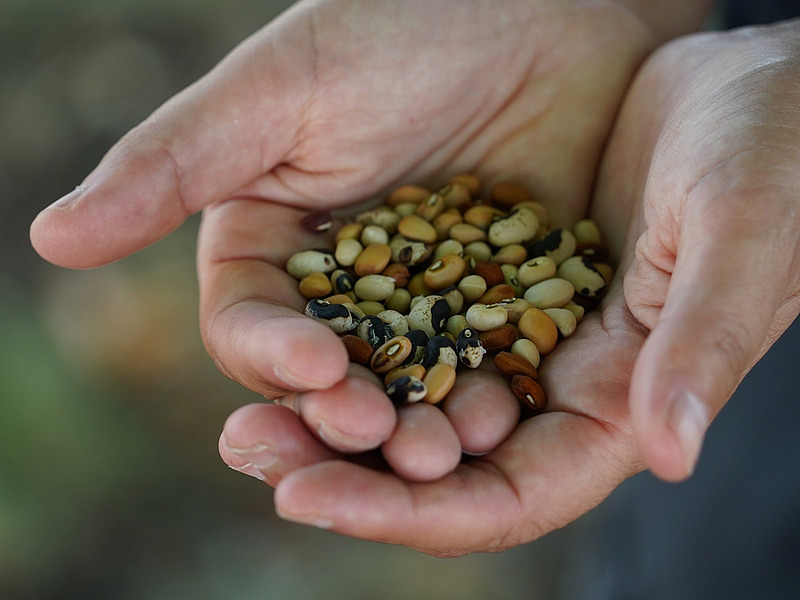
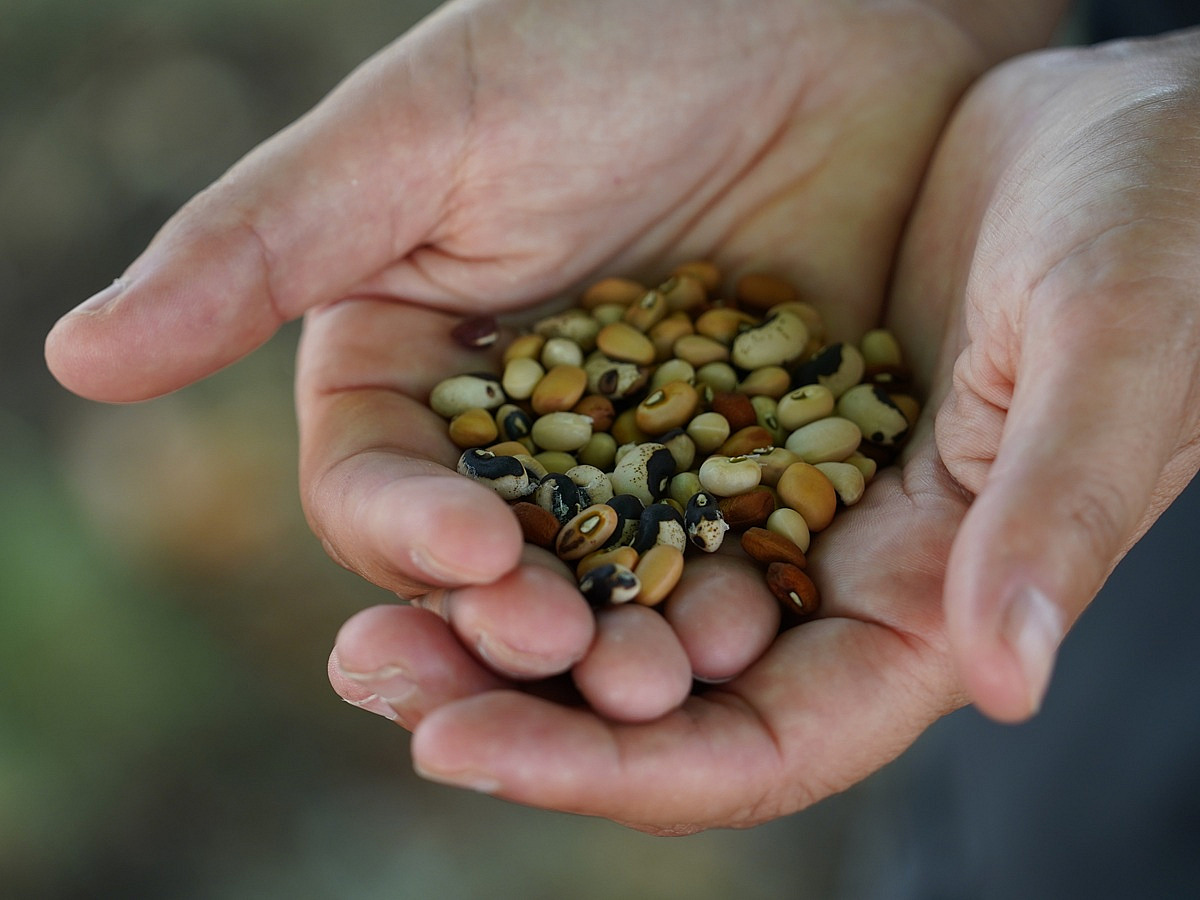
Mariateresa Lazzaro has been working at FiBL since 2020. She started in Brussels, then moved to Switzerland, where she has been co-leading the Plant Breeding Group with Monika Messmer since 2025. She studied Agronomy and Plant Breeding in Italy and holds a PhD in Agricultural Biodiversity.
Currently, we are feeling the effects of climate change quite strongly, the summer has been very hot and dry so far. How can plant breeding help us tackle climate change?
The challenging summer 2026, with its intense heat and dry spells, shows the urgent need to adapt our agricultural systems to the impacts of climate change. Breeding, i.e. new cultivar development, can be very useful for increasing climate adaptation by developing climate-resilient, resource-efficient cultivars of already cultivated, neglected and newly introduced crops.
A key focus for Swiss conditions, is enhancing tolerance to abiotic stresses like drought and extreme heat, by introducing new crops and developing more suited cultivars for the future growing conditions. This includes selecting for traits like deeper root systems for better water uptake or developing varieties that mature at adapted ripening time.
In the Plant Breeding group you are currently working with cowpeas in relation to future climate strategies. Why this particular crop?
Cowpea (Vigna unguiculata) is native to the semi-arid regions of Africa and is therefore naturally adapted to thrive in hot and dry conditions that are challenging for many other legumes. As a legume, the cowpea fixes atmospheric nitrogen in the soil through symbiosis with bacteria and with this it enhances soil fertility and reduces the need for external inputs. The cowpea is a valuable source of protein for both food and feed. All parts of the plant – leaves, green pods and dry grain – are edible and the nutritional composition is well balanced. Furthermore, its later flowering period provides an important food source for insects late in the season, contributing to biodiversity.
What do you intend to achieve with this project?
The overarching goal is to strengthen the resilience of our agricultural systems by diversifying cropping options and protein sources. We aim to increase the number of grain legumes available for cultivation in Switzerland. The cowpea, with its short cycle and heat tolerance, is an excellent candidate for introduction as an additional or second crop during the summer. For this goal we want to make use at best of available diversity, by testing for Swiss suitability genebank material and commercial cultivars from traditional cultivation regions.
In the first two seasons of screening it became clear that breeding is needed for full adaptation of this crop to our latitude, therefore an additional innovative goal is to develop high-diversity cultivars, such as organic heterogeneous material (OHM). This approach embraces genetic diversity within cultivar. An OHM is a plant population that shares common characteristics but maintains a high level of internal genetic and phenotypic diversity.
This approach is ideal for climate resilience. Because the population is diverse, there will always be some individual plants that can perform well under specific and often unpredictable environmental stresses. This diversity acts as a natural buffer, leading to more stable yields over time compared to genetically uniform varieties. This strategy is also "frugal and fast" because it can be developed with lower effort compared to uniform varieties and in the EU those OHM populations can be marketed through a simple notification procedure.
How are you approaching this, and what have you achieved so far?
The process began with collecting and characterizing a wide range of genetic material, including existing commercial varieties and traditional landraces, to identify promising cultivars that can already be cultivated. We identified a few interesting cultivars that show some potential for our conditions and are testing them in different locations in Switzerland. We have also started the first crosses to develop high-genetic-diversity populations. This is the foundational step in creating the organic heterogeneous material. This material shall then be propagated several generations under Swiss practice conditions, allowing natural selection and farmer-led selection.
What other topics related to climate change is the Plant Breeding group looking into?
Beside the cowpea research, FiBL has already advanced much in breeding of white lupin (Lupinus albus) starting already in 2014 with a program that, in collaboration with the organic plant breeding organization gzpk, is focusing on delivering new Swiss adapted cultivars of the "soy of the north". There is more and more interest by farmers and food producers.
Our research also includes breeding for intercropping and genetics study of the adaptation over time and across management systems of populations of barley, rape seed, and wheat crossed with crop wild relatives.
All this work with the hope to see more cultivated biodiversity in Swiss fields as an asset for climate resilient, environmental friendly and nutritional valuable crop production of the future.
Interview: Theresa Rebholz, FiBL
Further information
Contact
Links
- fibl.org: The current "Augenblick" project on the cowpea in the FiBL project database
- fibl.org: Completed project on the cowpea in the FiBL project database
- fibl.org: The LuZIA project on lupin breeding in the FiBL project database
- fibl.org: The COUSIN project on the use of wild relatives of cultivated plants in the FiBL project database