


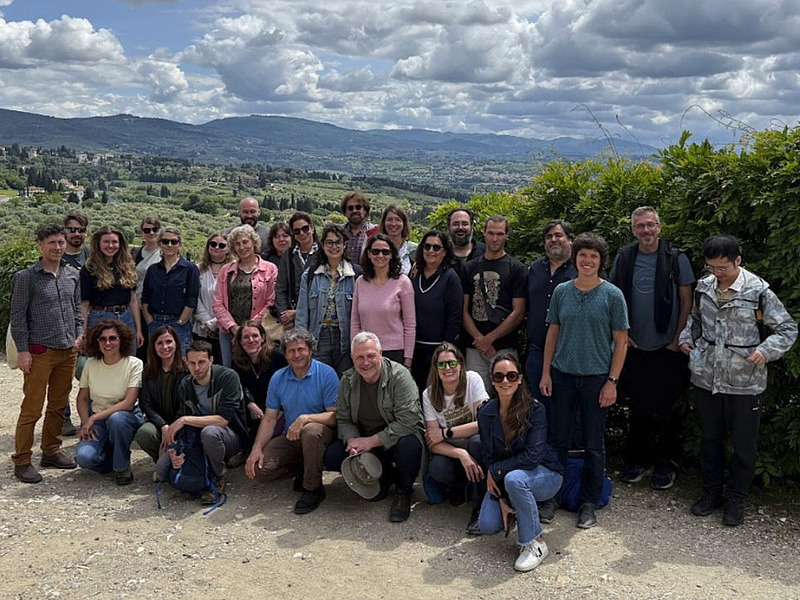

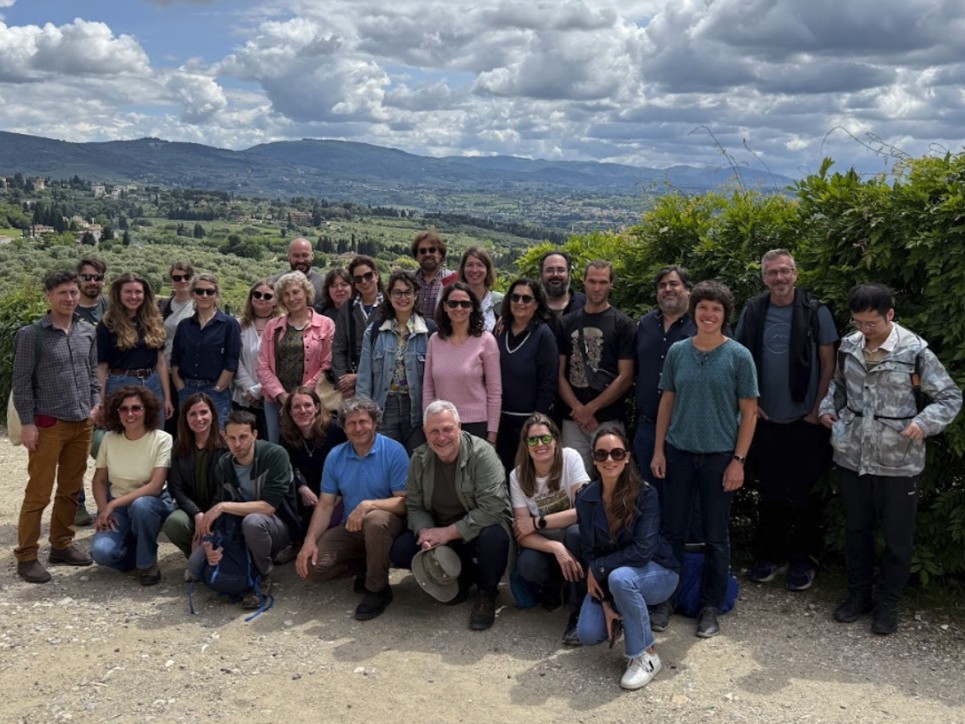
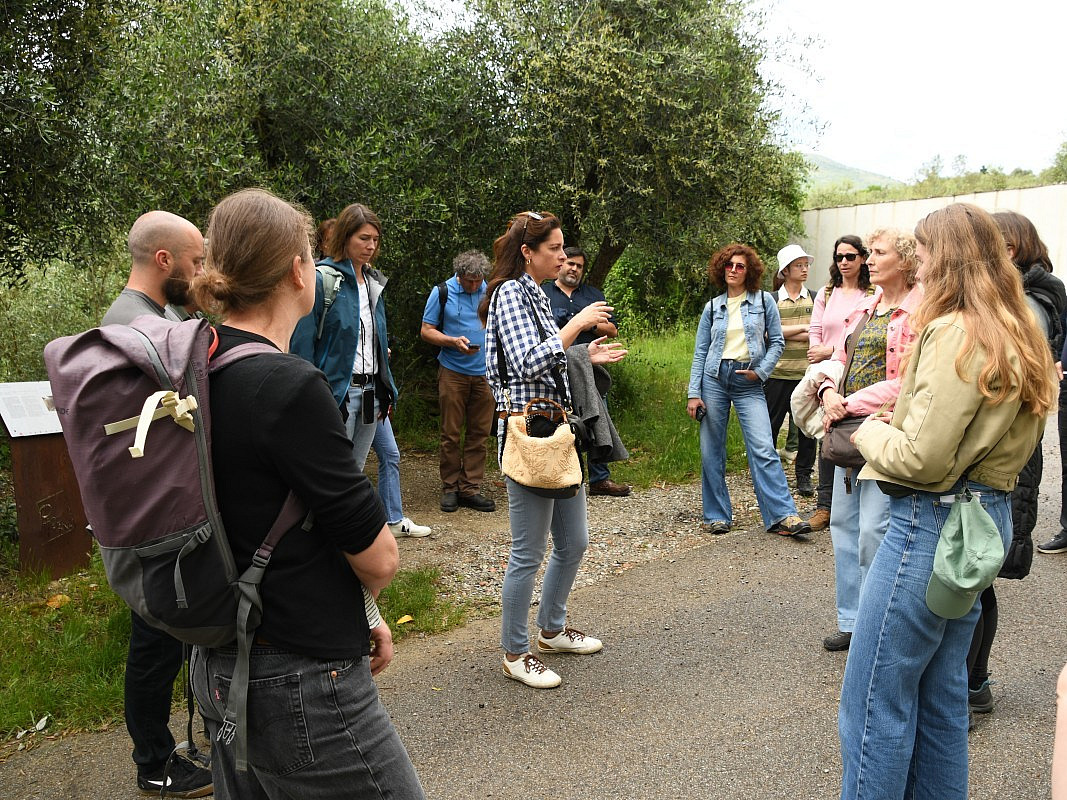
The FarmBioNet project focuses on biodiversity measures in agriculture. As diverse as the climatic and social conditions are across the 13 participating countries, the challenges faced by farmers in reconciling economic production with biodiversity preservation are strikingly similar.
Traditional cultivation
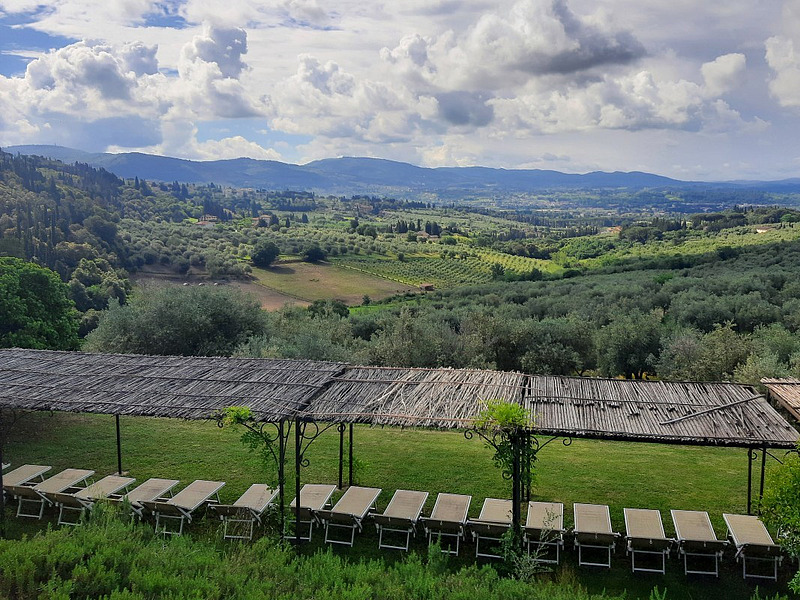
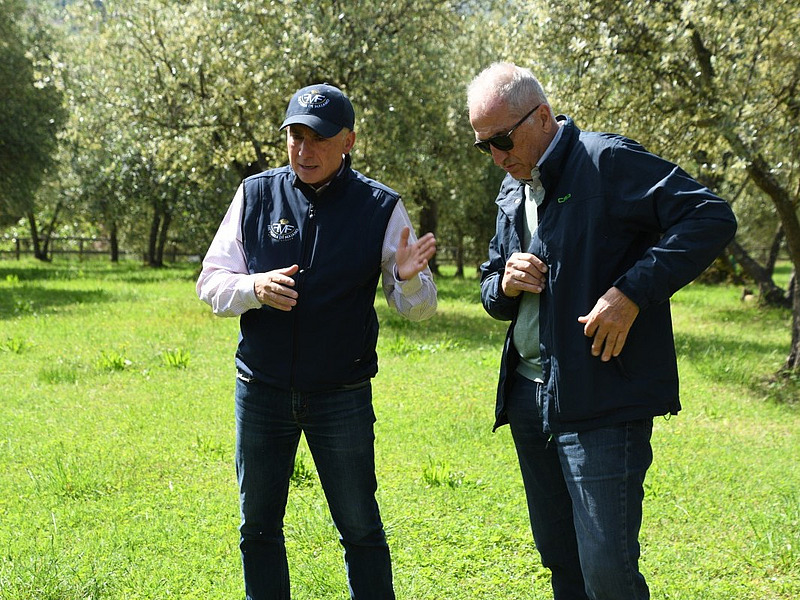
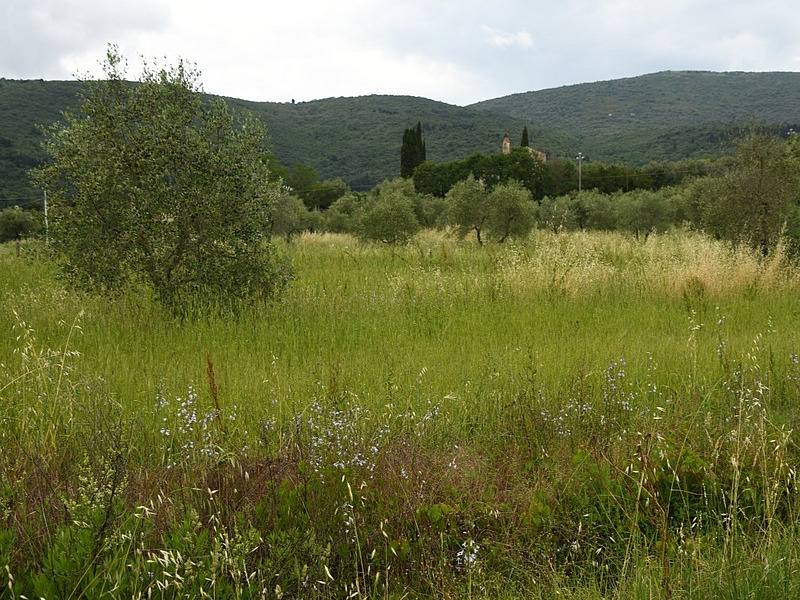
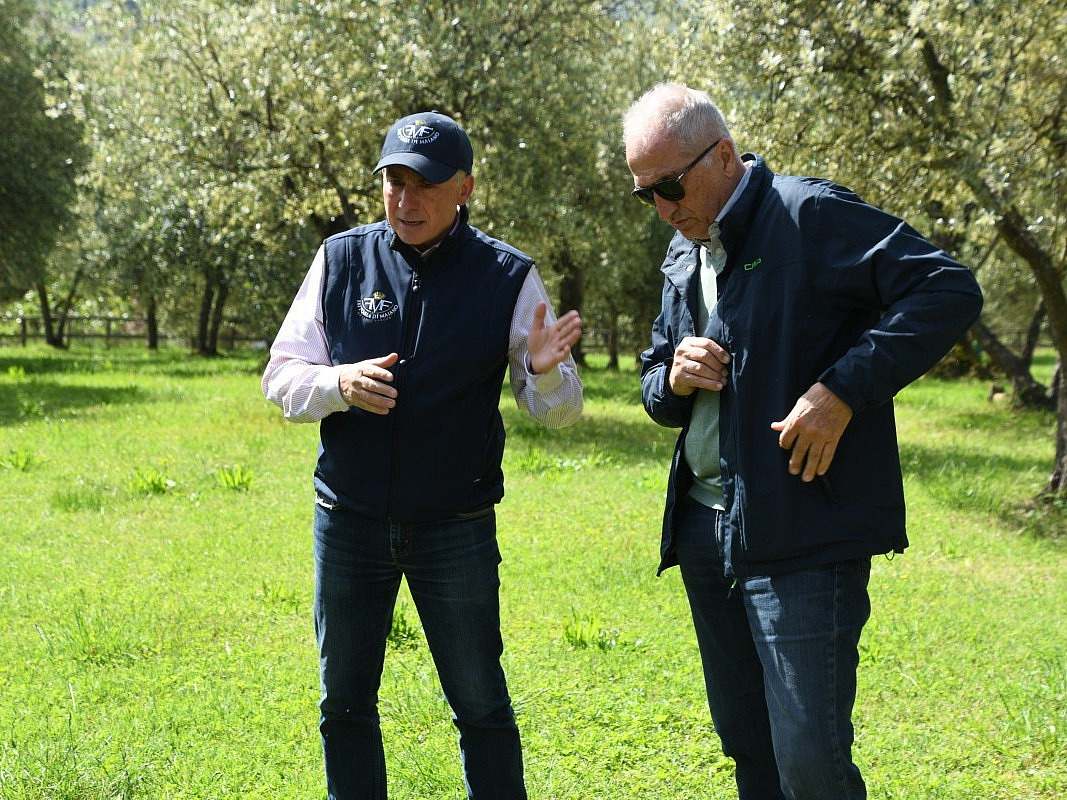
In traditional, extensive olive cultivation, the trees are spaced at a considerable distance (e.g. 6x6, 6x7 meters or sparse planting pattern). The original idea behind this was multi-layered use, explained Francesco Miari Fulcis, owner of the Fattoria di Maiano near Florence: 'Fruit at the top, grazing below, and the olive grove in between'.
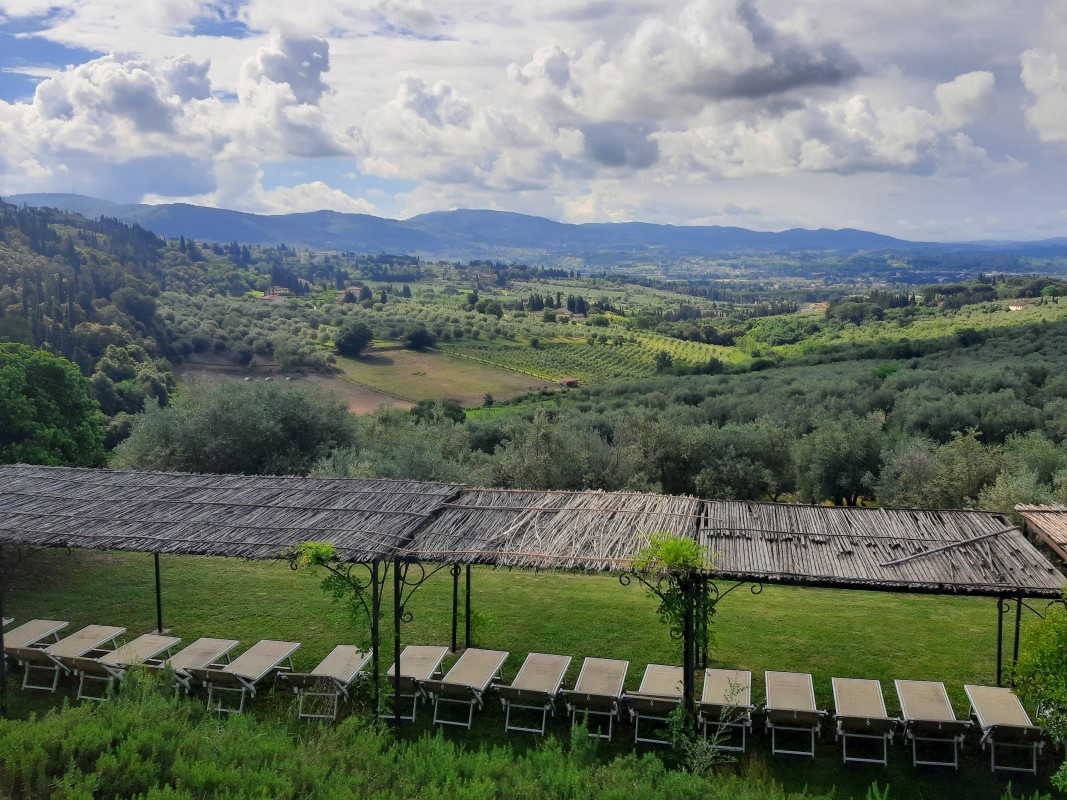
Animals also graze at Fattoria di Maiano. However, they tend to be found in rather unusual combinations: donkeys, ostriches, Dexter cattle, Cinta Senese pigs and even peacocks could be seen. "We keep the animals for the manure," Miari Fulcis explained. Around 50 of the more than 300 hectares of farmland are used not only for olive production but also as a leisure park and educational farm, with an admission charge for visitors. Visitors can then sample the farm's own produce directly in the restaurant and purchase it in the farm shop.
A labour-intensive harvest
"There is intense price pressure in the olive oil market," explained Miari Fulcis. All 24,000 of his olive trees are harvested by hand. Cheaper products come from Greece and Spain. That is why quality plays a particularly important role. And he is especially proud of it: "We have already won awards in New York and Tokyo." The secret behind this is a special blend of varieties.
"Although in Tuscany, your own olive oil is always better than your neighbours," added Mauro Agnoletti, Chairholder of the UNESCO Chair on Agricultural Heritage Landscapes of the University of Florence. "That also makes it difficult to set up cooperatives. Farmers find it hard to put their olives together in a single tank."
A dangerous fly
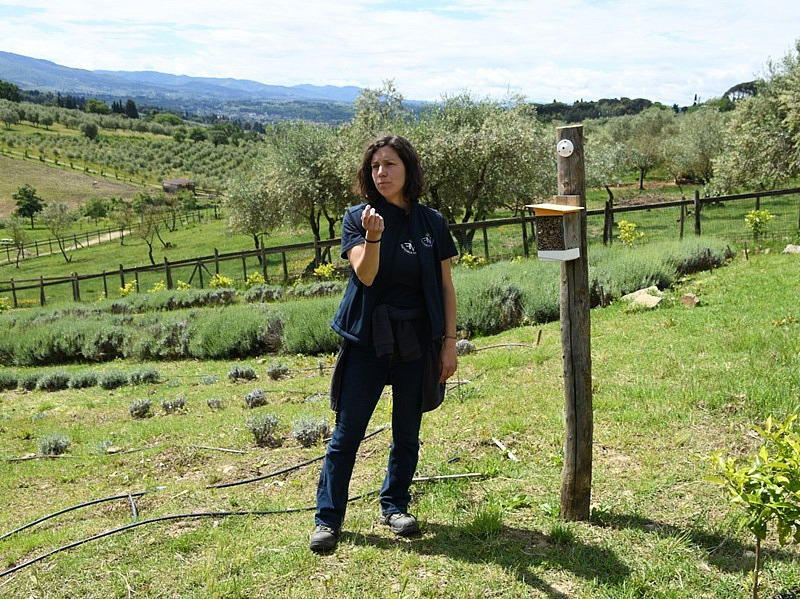
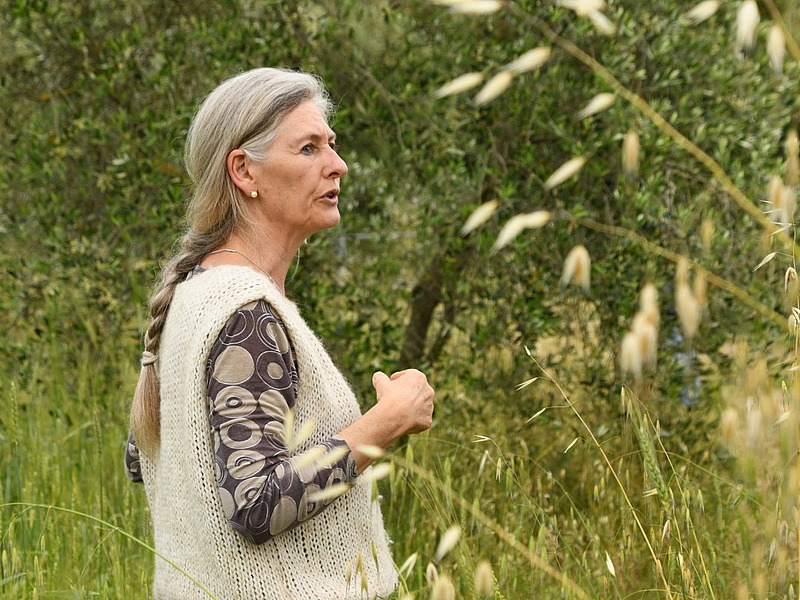
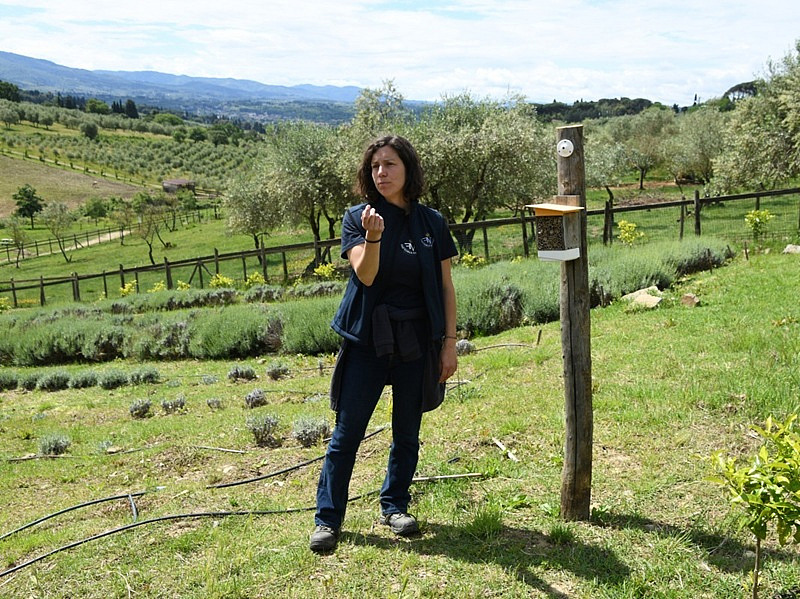
Barbara Pastore and her daughter Anna Frosini from the Podere Montisi estate also grow olives using an extensive system. They demonstrated how they use organic methods to manage risks. The olive fly is a dreaded pest in olive cultivation, as it can jeopardise both the quantity and quality of the harvest. Pastore combats it with a mixture of vinegar, water and chickpeas as bait for fly traps: "Since I've been using this, I've had hardly any problems with the olive fly," she noted. On the biodynamic farm at the foot of the Apennines, a wide variety of herbs and crops grow amongst the olive trees. "The sticky Alant, Inula viscosa, Inula viscosa hosts the antagonist of the Olive fly," she explained, highlighting an additional benefit of this diversity.
Cereal intercropping
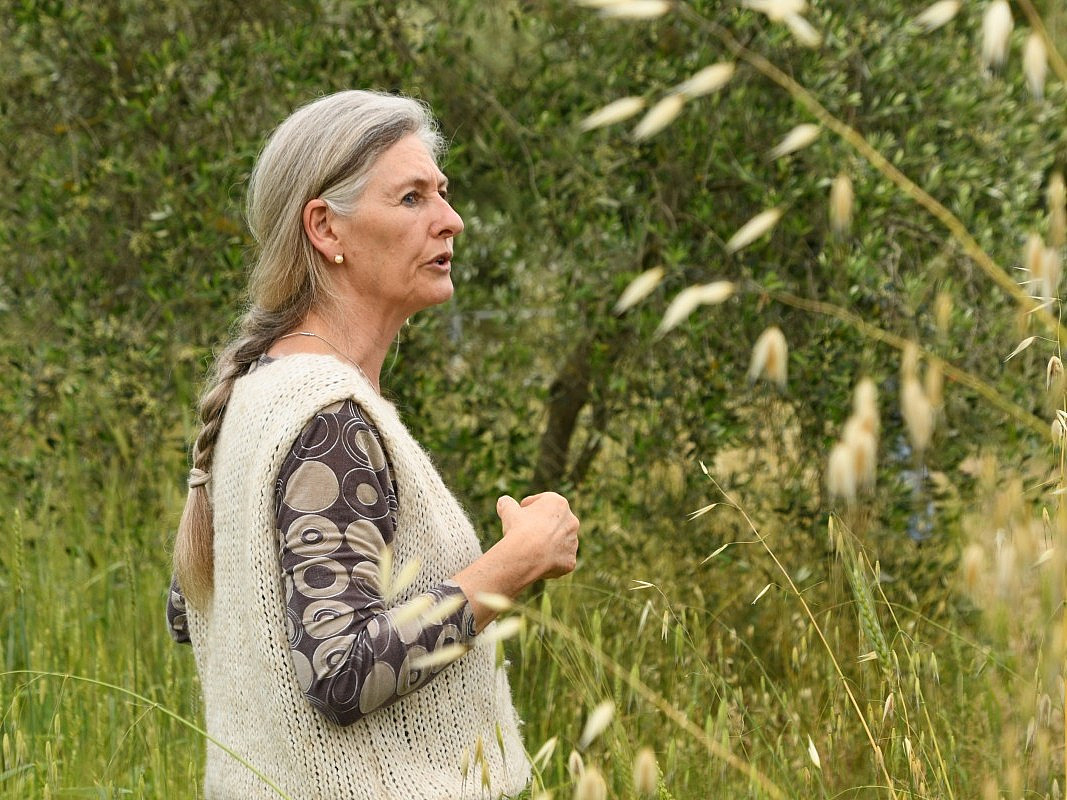
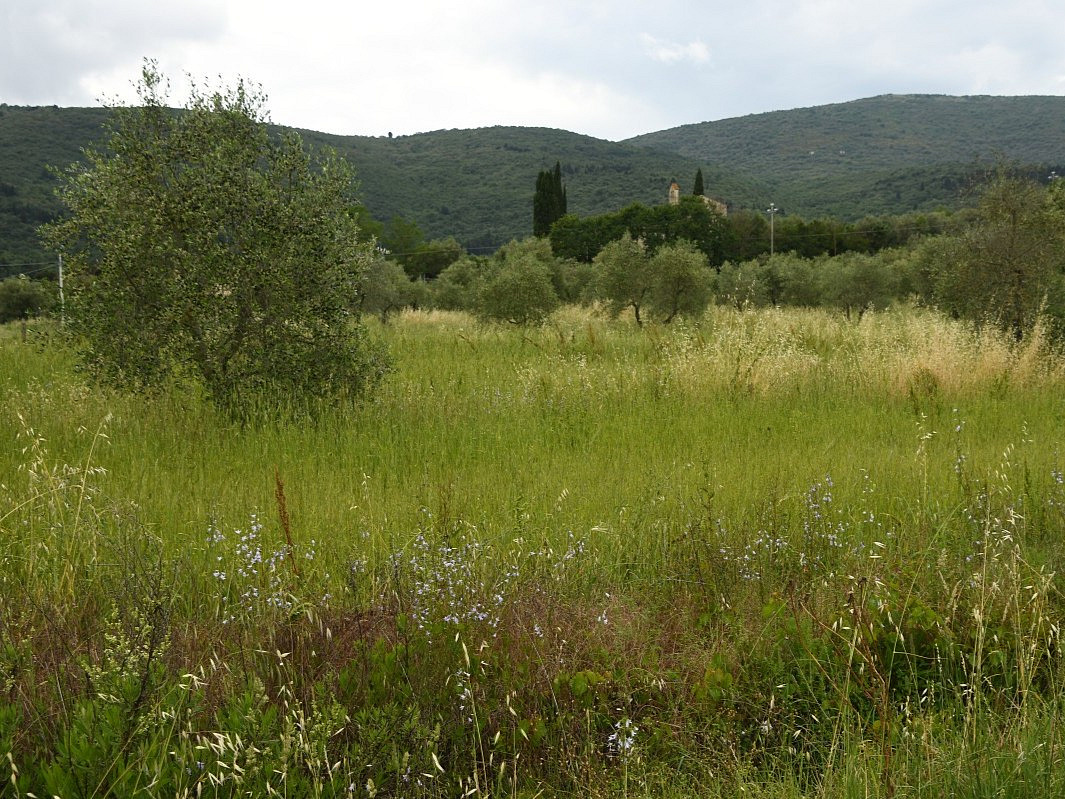
The benefits of diversity were also evident in the use of the land between the trees. "Intercropping with wheat has a long tradition in olive cultivation," explained Pastore. The farmer is committed to preserving cereal diversity and sows an evolutive population of cereal varieties in mixed seed mixtures every year. In addition, strips of durum and soft wheat alternate.
"This makes the crop much more resilient," explained Pastore. Whilst other long-stemmed wheat fields may lie flat due to the weather, hers remain standing. "The roots and stalks of the different varieties grow at different levels, which means they support one another," is Barbara Pastore's explanation for this.
Agritourism as a source of income
The considerable effort involved in traditional olive-growing systems is only worthwhile because of the additional value created locally. "It is the exceptional quality and agritourism that make it economically viable," explained Francesco Miari Fulcis. With his luxury agritourism, he attracts affluent guests directly to the farm.
The Podere Montisi estate, by contrast, follows a family-oriented approach. But Barbara Pastore also confirmed: "The farm only works with agritourism." Together with her family, she produces a wide variety of herbal products and offers cookery courses. "We have found the necessary balance: we produce smaller quantities and diversify our products," she explained.
Anna Frosini and Barbara Pastore have set themselves high standards: they implement agroecological projects, offer educational and social activities, and are committed to preserving the traditional Tuscan agricultural landscape. Interested people can also adopt one of their olive trees.
The focus, however, remains: "All these activities serve to further develop agriculture," Francesco Miari Fulcis clarified. His family had opted for this extensive system and built the entire value chain around it. "This way, we control every step ourselves and remain independent," he concluded.
Success with a downside
Tuscany is one of the most appealing Italian regions from the touristic point of view and its unique agricultural landscape makes a good part of its success and attractiveness, which was also confirmed by UNESCO and by the Italian Ministry of Agriculture. This success also has its downsides: "It's a balancing act," explained Federica Romano, Programme Coordinator of the UNESCO Chair on Agricultural Heritage Landscapes of the University of Florence: "In some respects, we were too successful in promoting the region." The aim was to preserve traditional agriculture and open up new market opportunities. Now Florence is drowning in tourism, and villages and wine regions are being snapped up by investors. "We have become more cautious about how much and in which way we promote a region," concluded Mauro Agnoletti.
Nevertheless, the Fattoria di Maiano and the Podere Montisi estate have found a way, through diversification and agritourism, to preserve the olive-growing tradition and build on the old knowledge. This could regain importance in the future, as Federica Romano noted: "In these systems, tradition functions as innovation, providing techniques that remain remarkably effective in addressing challenges linked to climate change, food sovereignty, hydrogeological risk and biodiversity loss."
Author: Simona Moosmann, FiBL
Further information
Contact
Links
- farmbionet.eu: Project website
- fibl.org: FarmBioNet in the FiBL project database
- poderemontisi.it: Podere Montisi estate
- fattoriadimaiano.com: Fattoria di Maiano farm