


"No matter who does the maths, the conclusion is the same"
Voices on climate
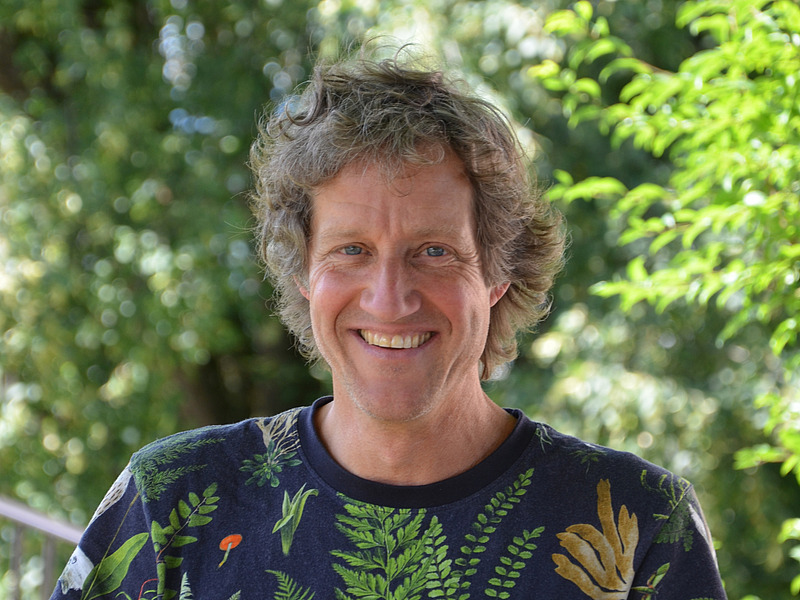
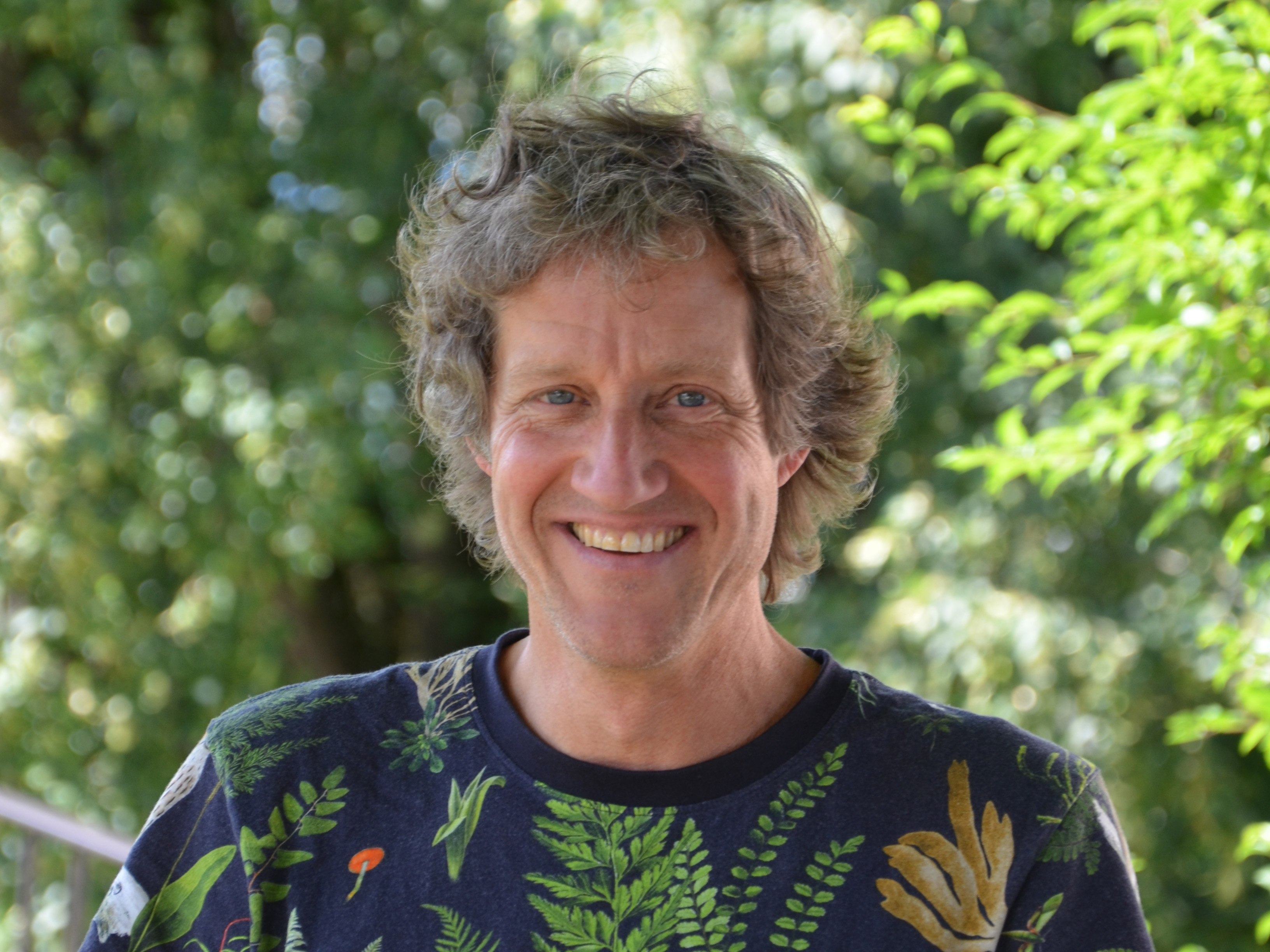
Adrian Müller has been conducting research at FiBL on agriculture and climate change since 2009, covering everything from carbon credits and peatlands to modelling entire food systems. As a researcher, he works in the Department of Food System Sciences at FiBL in Switzerland. In the final instalment of the 'Voices on Climate' series, he looks back on more than 15 years of climate research and reflects on what is needed for a sustainable future in agriculture.
As a physicist, how did you come to work on the topic of 'climate' at FiBL?
Adrian Müller: By chance. In 2009, I presented a poster at a conference on climate change in Copenhagen, which argued that organic farming can be a strategy for adapting to and mitigating climate change. And right next to me was Urs Niggli, then Director at FiBL in Switzerland, with a poster on the same topic. This encounter led to my work at FiBL, where I have been based since autumn 2009. At the time, it was the era of carbon credits – an incentive scheme that allows people to earn money through emissions reductions or carbon sequestration: many hoped this would bring a windfall for agriculture, and particularly for organic farming, which places special emphasis on soil carbon.
Have these hopes been realised?
Unfortunately not. When I first joined FiBL, I was almost exclusively involved in the Mercator Foundation's CaLas project, focusing on soil carbon and CO2 credits from organic farming. The result was sobering: it's not all that simple, and the soil's potential for generating credits had been overestimated.
Why is that?
The concept of carbon credits originates from industry. You modify a process to reduce emissions whilst maintaining production levels as closely as possible, and then compare the before and after. This works very well for a coal-fired power station where more efficient turbines are installed, and perhaps for a maize monoculture with consistently identical processes. Even crop rotation doesn't fit into this system; the exact comparability required for CO2 credits is no longer guaranteed. Yet crop rotation and organic fertilisers are the most important elements in organic farming and add more carbon to the soil.
What remains from those years?
For example, an important meta-analysis compared soil carbon sequestration in organically and conventionally farmed fields. This significantly objectified the debate at the time. The publication in the renowned journal PNAS also helped in the process of further establishing FiBL as a research institute to be taken seriously. And as an institution, we have learnt a great deal – about carbon credits, soil carbon, reduced tillage and biochar. The issue of climate change is now a central concern across all FiBL departments. We also know where the strengths of organic farming lie in relation to the climate: there is less nitrogen in the system; the focus on grassland leads to livestock numbers better suited to the local conditions; and crop rotations and organic fertilisers improve soil quality. This is also crucial for adapting to climate change.
Where do you see a particularly significant lever for action in Switzerland with regard to climate change?
If we want to focus on soil carbon, there is considerable potential in the protection of peatland soils. Around 17,000 hectares of drained organic soils – one to two per cent of the agricultural land area – account for just under 0.7 million tonnes of CO2 equivalents per year. That is roughly equivalent to one-tenth of agricultural emissions. If these soils are rewetted, the breakdown of organic matter will be halted. This requires new forms of land use, such as paludiculture – that is, farming on wet soils. Unfortunately, however, the opportunity costs would be enormous, as many of these soils are currently used for intensive vegetable cultivation.
In general, soils play a key role in adapting to climate change. Take water, for example. I'm thinking here of the concept of a sponge landscape: a landscape that retains water, thereby reducing the risk of erosion and flooding. This is more efficient than large concrete retention basins.
And what role does livestock farming play?
The most significant levers for climate protection in agriculture are linked to it. In the longer term, this comes down to feeding: a grassland-based diet, less feed from arable land and fewer feed imports means fewer animals overall, less farm manure and its associated emissions, fewer nutrient surpluses and improved animal welfare. From a societal perspective, this requires changes in behaviour regarding meat consumption – and we have only just begun in this regard.
How well are your findings being put into practice?
Not everything that science says triggers immediate change. It takes dialogue, negotiation and time. What's more, there are various strategies, but not every one can be applied to every issue. And in agriculture, it's not just about reducing greenhouse gas emissions, but above all about adapting to climate change, as well as biodiversity, animal welfare, yields and income.
What do you expect from policymakers with regard to climate change?
Politicians are moving far too slowly. Farms recognise that adjustments are necessary and need support in making them. Furthermore, changes are needed across the value chains to ensure the food system is sustainable for the future. We must support the processes that drive this transformation. Fortunately, however, the Swiss Confederation's 'Climate Strategy for Agriculture and Food 2050' is also moving in the same direction as we at FiBL and other research institutions. Because no matter who does the maths, the results always show the same thing: we need fewer animals, less feed from arable land, less food waste and loss, and fewer animal products in our diets.
Finally: What are your dreams when it comes to "agriculture and climate"?
Sometimes I dream that substantial funding will be made available to farms wishing to transition to a future model that aligns with these visions and also guarantees a good income and good working conditions. This model also includes value chains capable of processing the entire, diverse output of site-adapted, agroecological systems. And consumers who demand these foods.
Interview: Bernadette Oehen, FiBL