


Since 2021, FiBL has collaborated with the Food and Agriculture Organization FAO Tunisia on the Biorest project, a strategic initiative supporting the development of the national organic production. Following an initial focus on institutional pillars such as harmonising organic legislation and certifying national laboratories, the partnership has entered its second phase. This stage prioritises capacity building for Tunisia's organic structures, specifically focusing on advanced agroecological approaches.
Key activities included two five-day on-site training sessions in May and June 2025, led by FiBL experts on advanced organic practices in livestock and plant production. Furthermore, FiBL developed a comprehensive reading guide on the new EU Organic legislation, in collaboration with national administrations, to help operators across the value chain align with the new legislation and address gender disparities in land management.
Agroecological practices are now part of the national training program for farm managers
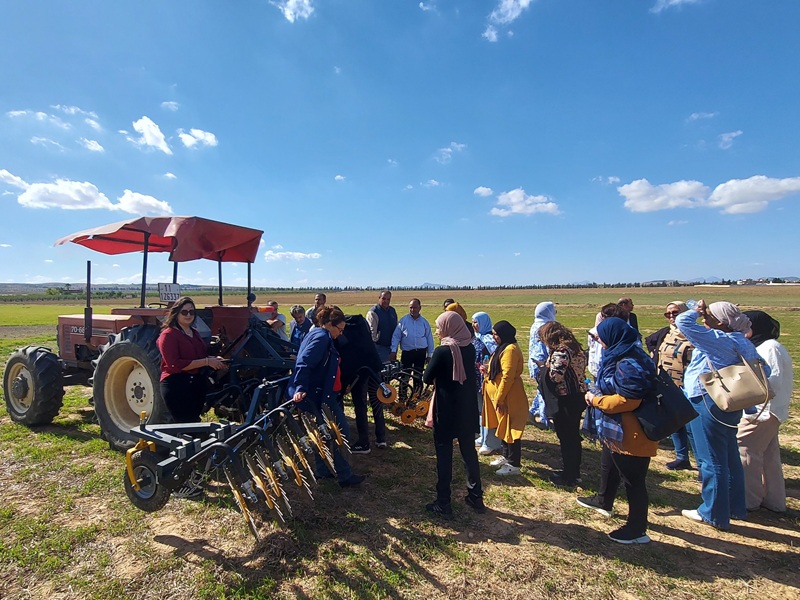
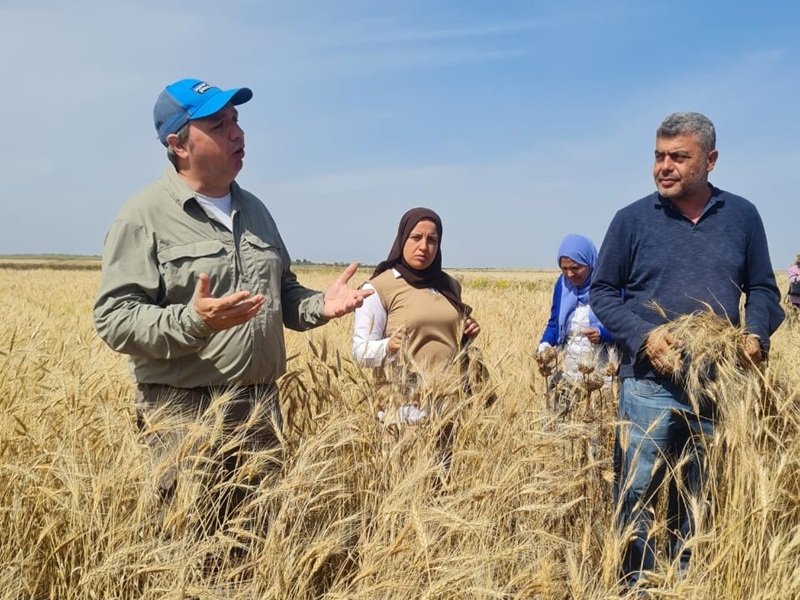
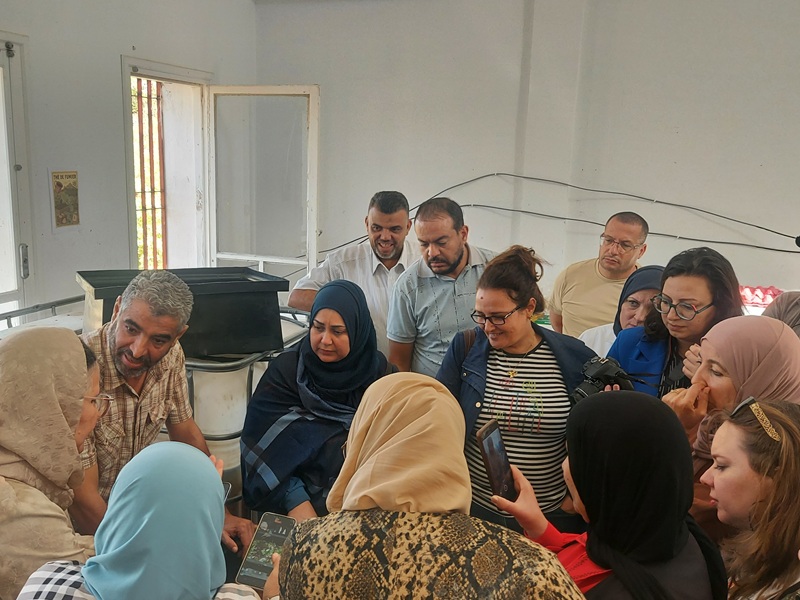
A central component of these efforts involves a partnership with the SwissContact foundation to train agricultural trainers at the El Kef pilot centre in Tunisia. These sessions introduced practical agroecological techniques designed to overcome the limits of intensive farming, such as reduced water availability and rising temperatures.
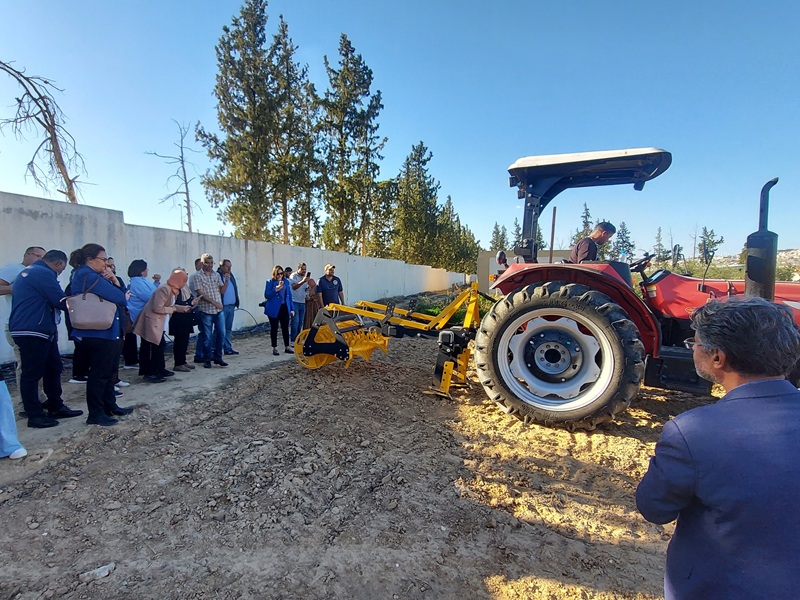
Participants explored climate-smart solutions, including mechanical weeding to replace herbicides, biocontrol for vegetable and fruit production, and the strategic use of green manure to improve soil health despite summer droughts. The workshops also demonstrated that crop associations, livestock integration, and humus preservation can significantly enhance soil cohesion, overall field productivity, and farm resilience.
The training sessions were highly interactive, utilising innovative machinery developed by a local Tunisian company to highlight best practices in soil management. By integrating local farmers into the discussions, the project ensured that technical solutions remained grounded in real-world farm realities. These activities resulted in the creation of specialised agroecology modules, which have been integrated into the national training program for farm managers (REA).
Outlook and next steps
FiBL is discussing with SwissContact how to provide additional scientific support to locally validate techniques such as reduced and strategic tillage and cover crop practices, helping reduce dependence on external inputs and secure the long-term climate resilience of Tunisian agriculture.
FiBL is also currently working to extend the collaboration with FAO into a third stage. This new phase will focus on finding solutions to register local varieties in the national system, so they can be used in organic farming. It will also support the growth and organisation of the domestic organic seed sector. In addition, FiBL aims to promote and strengthen national initiatives producing biocontrol inputs — a fast-growing field that is often hindered by limited knowledge of organic certification and product commercialisation.
Further information
Contacts
Links
- fao.org: FAO in Tunisia (in French)
- fibl.org: "Biorest" in the FiBL project database