


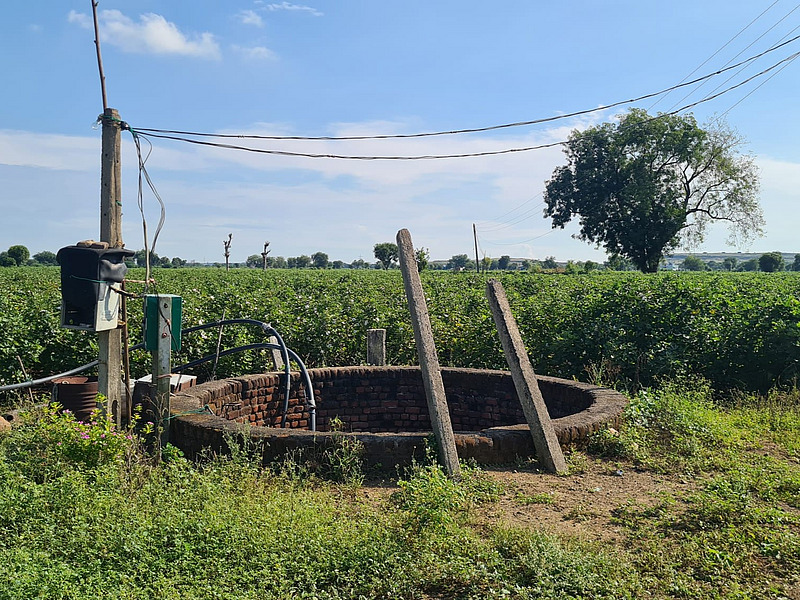

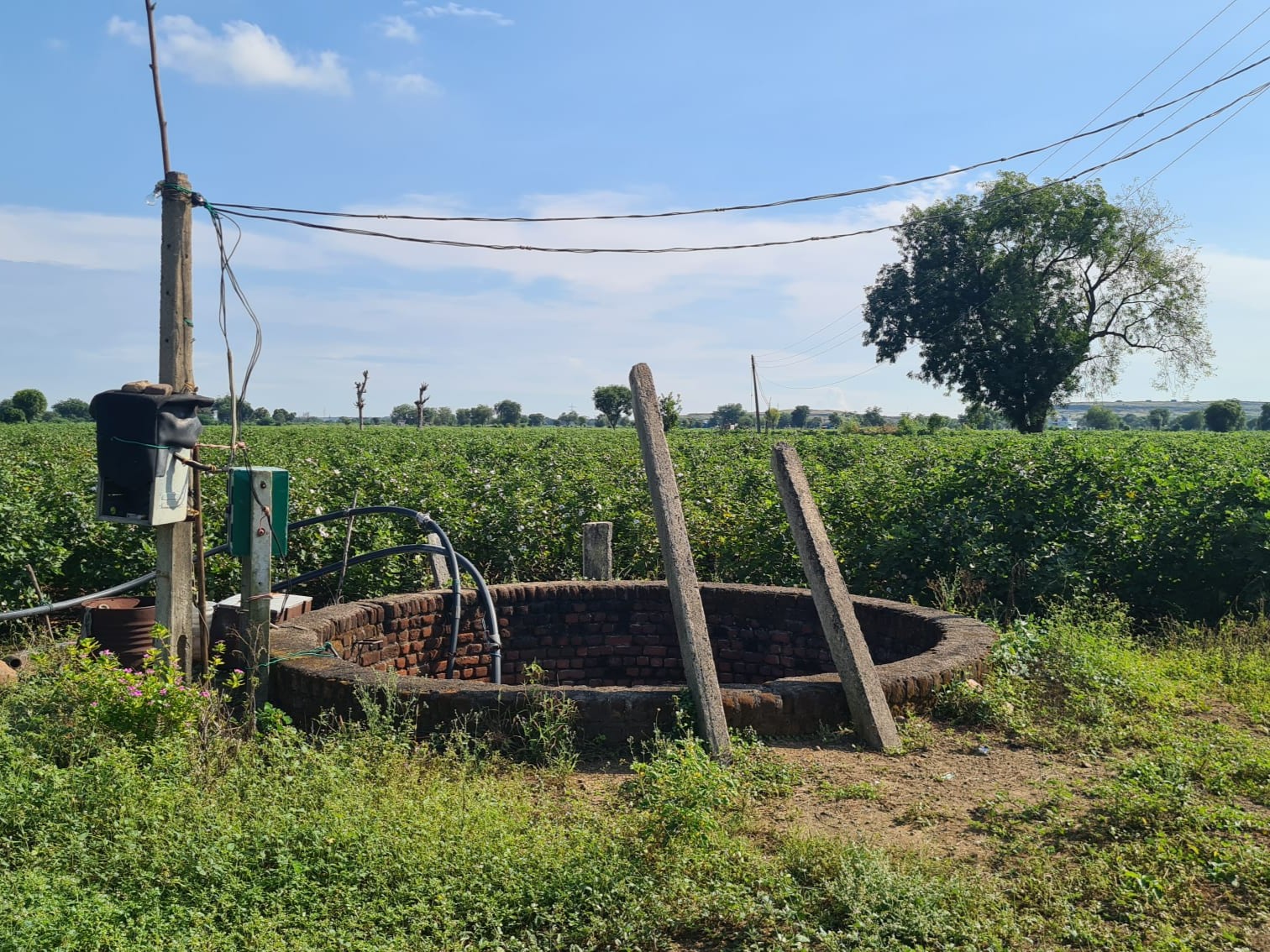

A water well - a symbol of water use. What are the major challenges in the Nimar Valley in India when it comes to water management in agriculture?
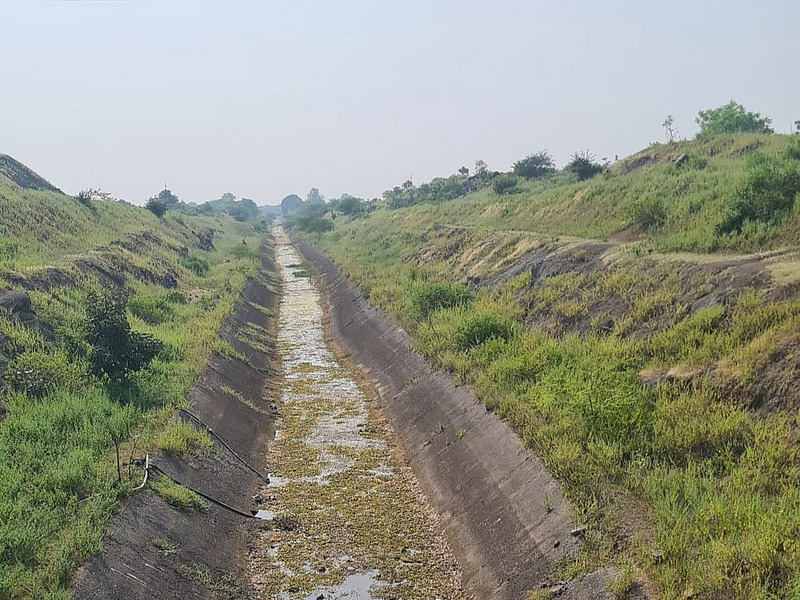
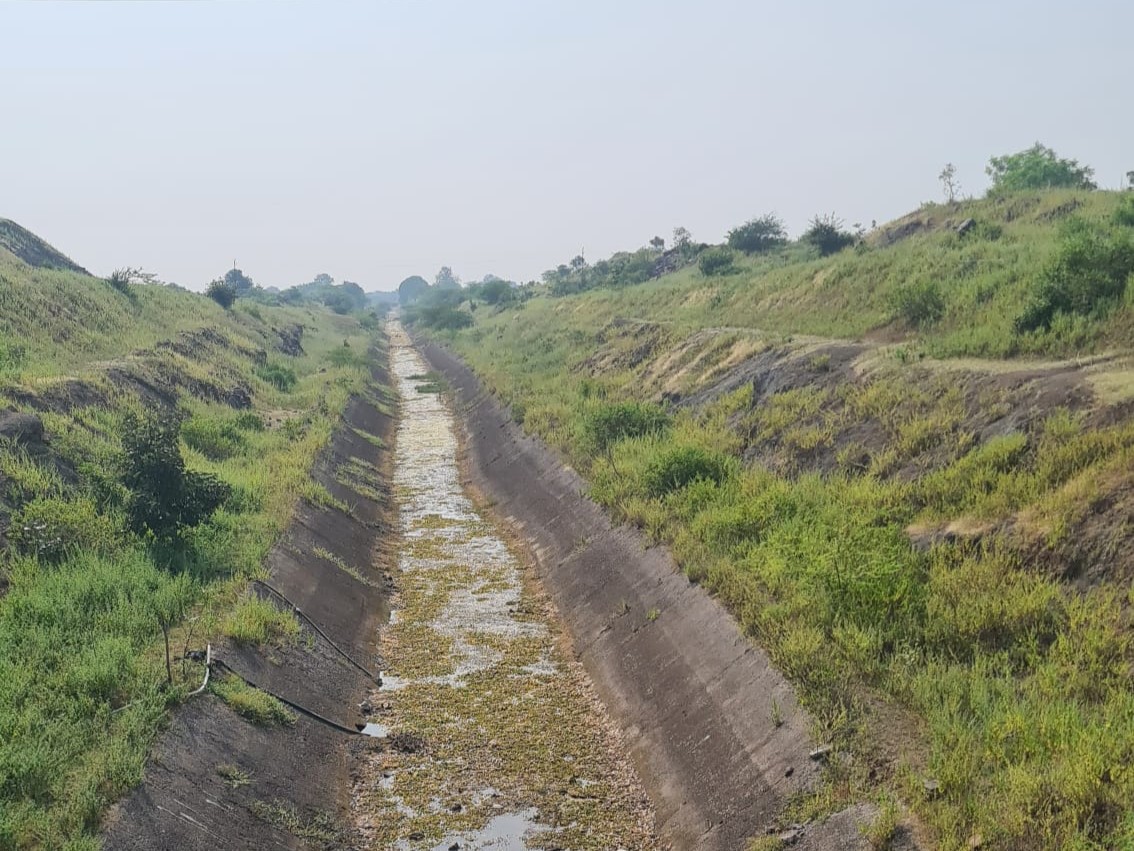
Compared to other parts of India, the groundwater problem is not yet as pronounced in the region and the water table is still at a safe level in many places. Nevertheless, irrigation plays a key role. Many farmersreported that access to water has improved in recent decades − thanks to new canals, small dams and private wells.
At the same time, there are strong social differences: Wealthier farms often have several water sources, while poorer, mostly indigenous farming families in remote areas often struggle with dried-up springs or canals or are almost entirely dependent on rainwater. They also have very limited access to institutional support and co-determination in decisions on local water use. The issue of water is also closely linked to the climate - a lot of rain falls during the monsoon months, but the rest of the year remains extremely dry.
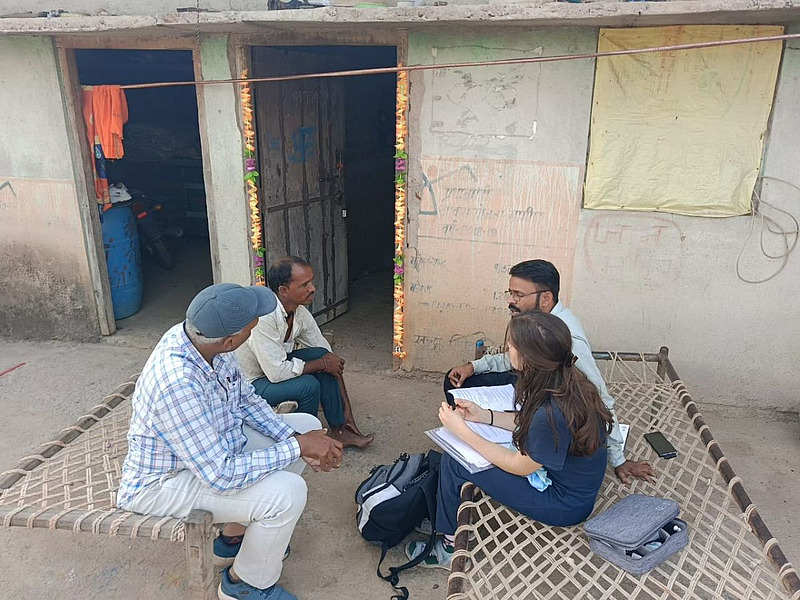
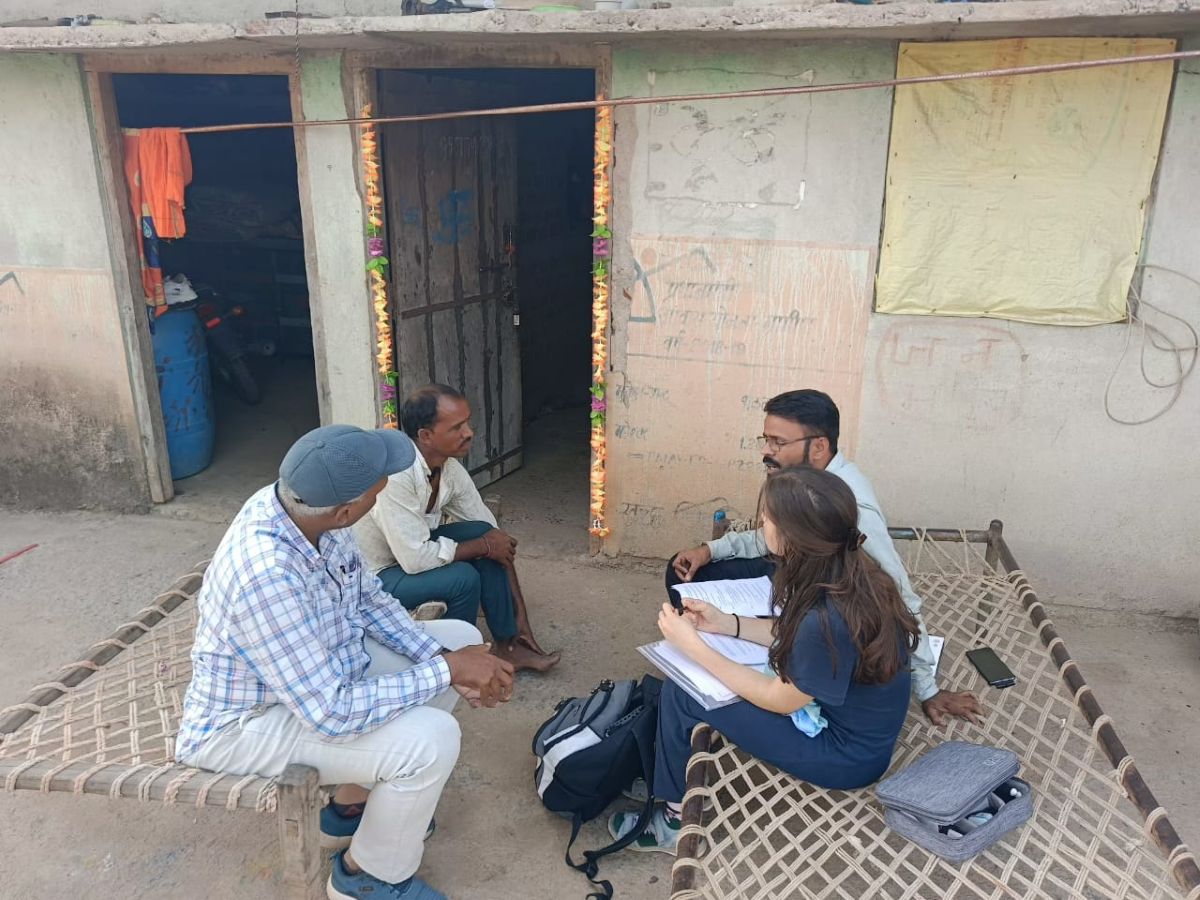
One of the photos shows you with a farmer and two colleagues from the project team in India. How did you work together?
That was during my field research. Sawan Kushwah (back right) conducted the interviews and translated for me, while Ishwar Patidar (front left) coordinated and liaised with the farmers. We conducted a total of twelve such interviews.
We asked about material resources − such as water sources or irrigation systems − as well as social factors such as exchanges within the community or membership of water use organisations. This enabled us to better understand the opportunities, but also the weaknesses of different socio-economic groups. The interviews showed how great the differences between the groups are and that irrigation in the region is primarily determined by access and less by the availability of resources.
You worked with so-called focus group discussions. How did such a discussion work?
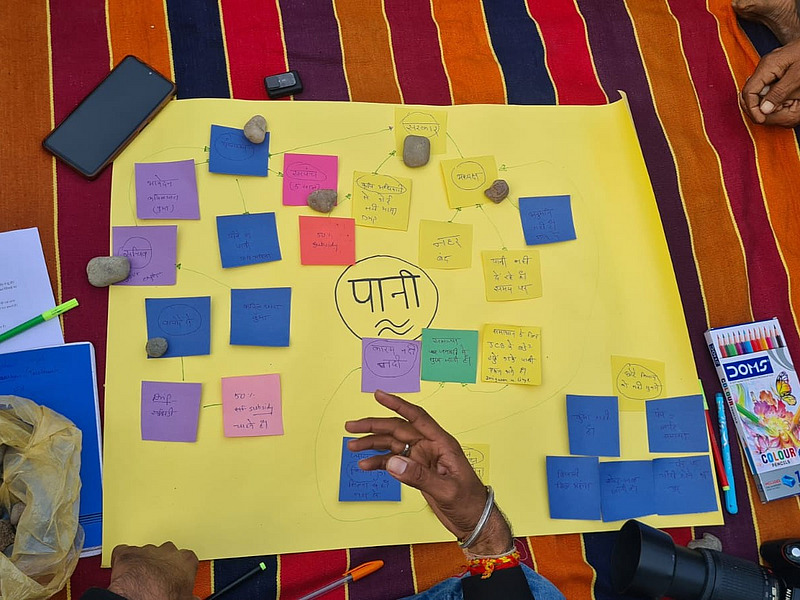
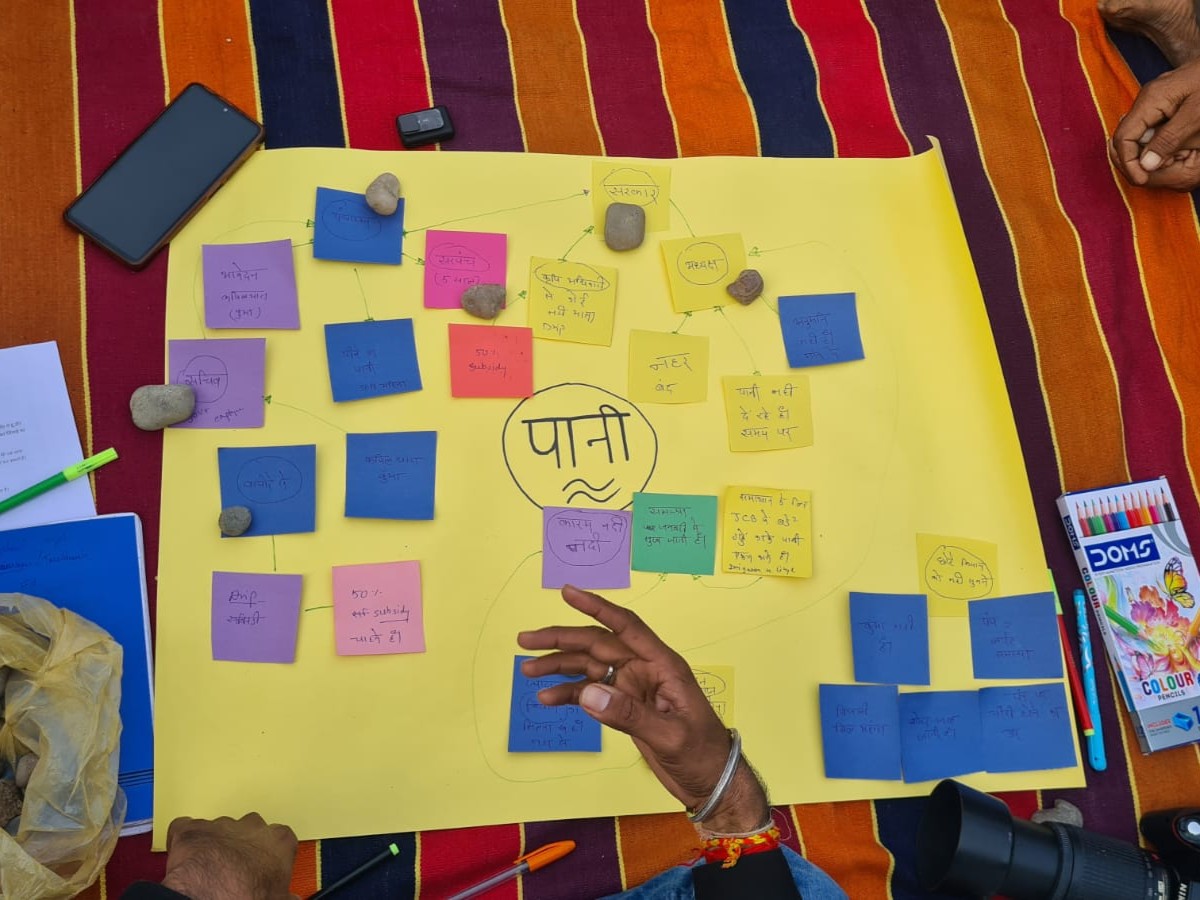
These group exercises were very interactive. One of the methods was so-called actor mapping: the participants thought together about who the most important actors for water use are − these could be people, organisations, but also things like "forests" or "canals". These actors were then connected on a poster and weighted according to influence using different sized stones.
Trees, for example, were often named as central actors because they are crucial for the water cycle. In a second exercise, we drafted scenarios of how the community would react to water scarcity – at an individual, community and political level.
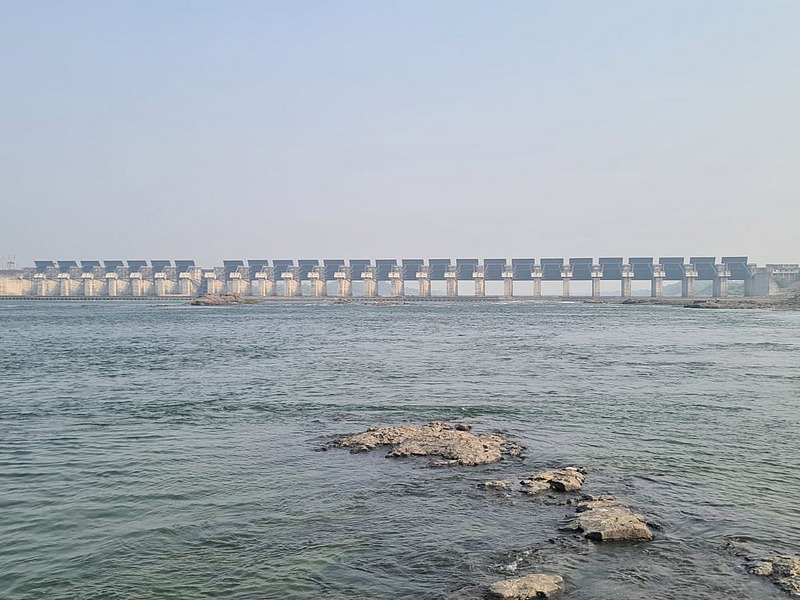
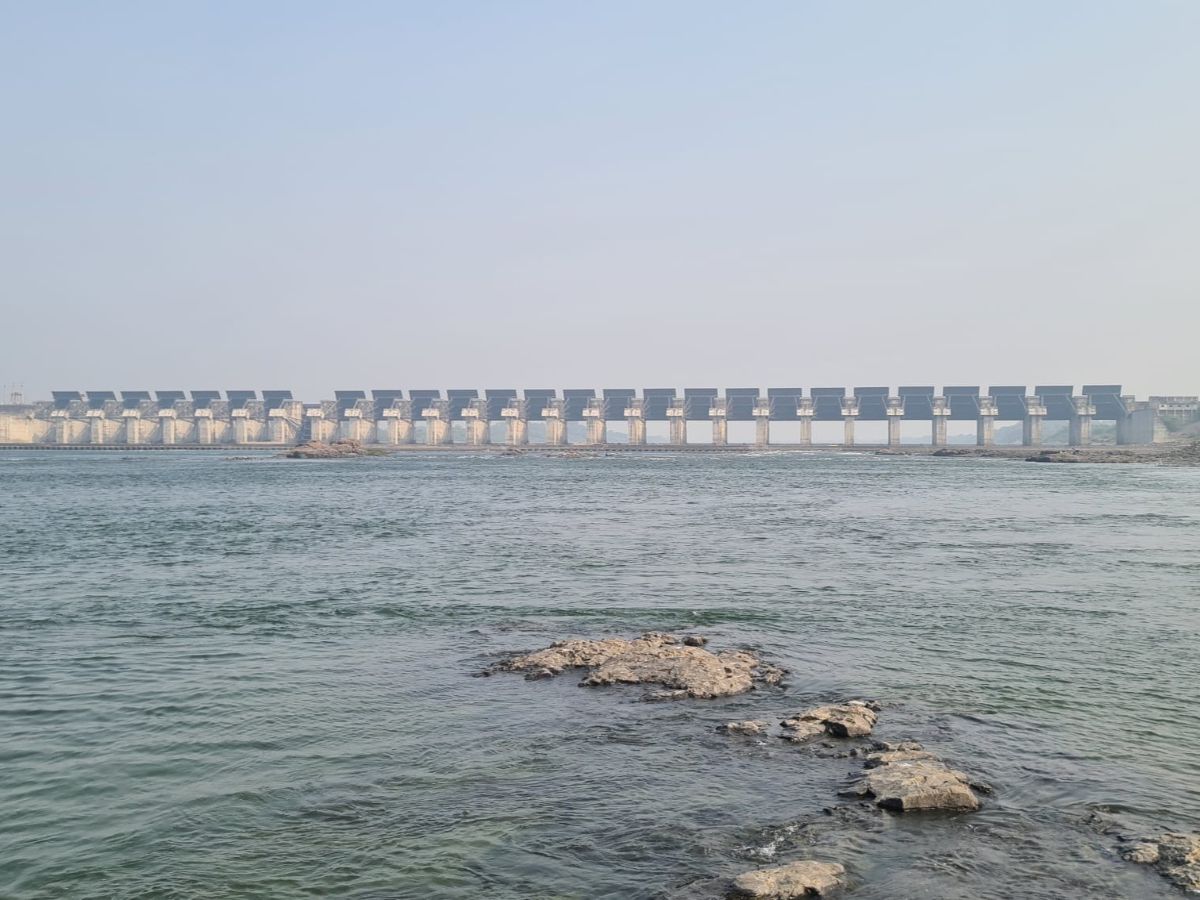
The Maheswar Dam on the River Narmada is a major infrastructure project. What role do such large-scale projects play, and what significance does this river have in particular?
The river Narmada is very important for the identity and life of the region. The framework of the dam for energy production was built but never completed due to financial complications - it is still not functional today. Many of the farmers are also pinning their hopes for irrigation on such infrastructure projects, such as the construction of new dams or canals, and have less focus on how the water that is already available can be used more efficiently or organised collectively.
How widespread are techniques for efficient water utilisation such as drip irrigation and what challenges are there?
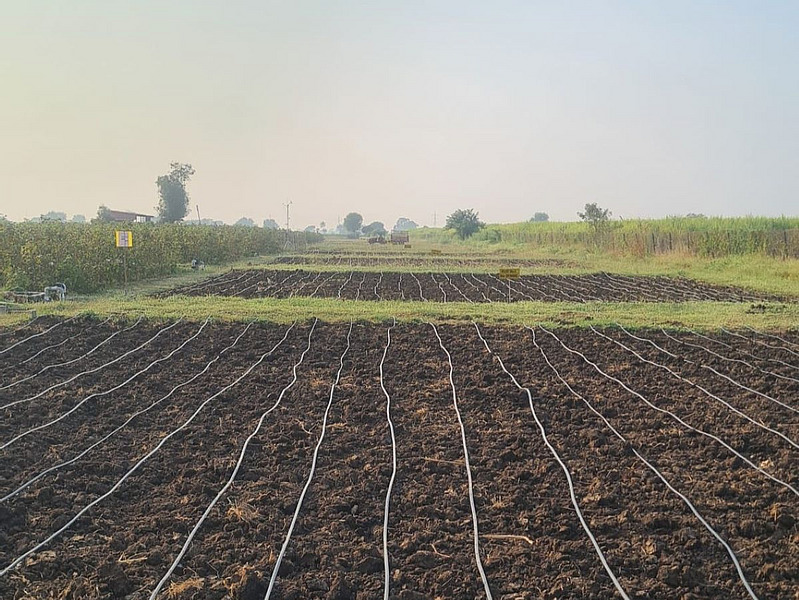
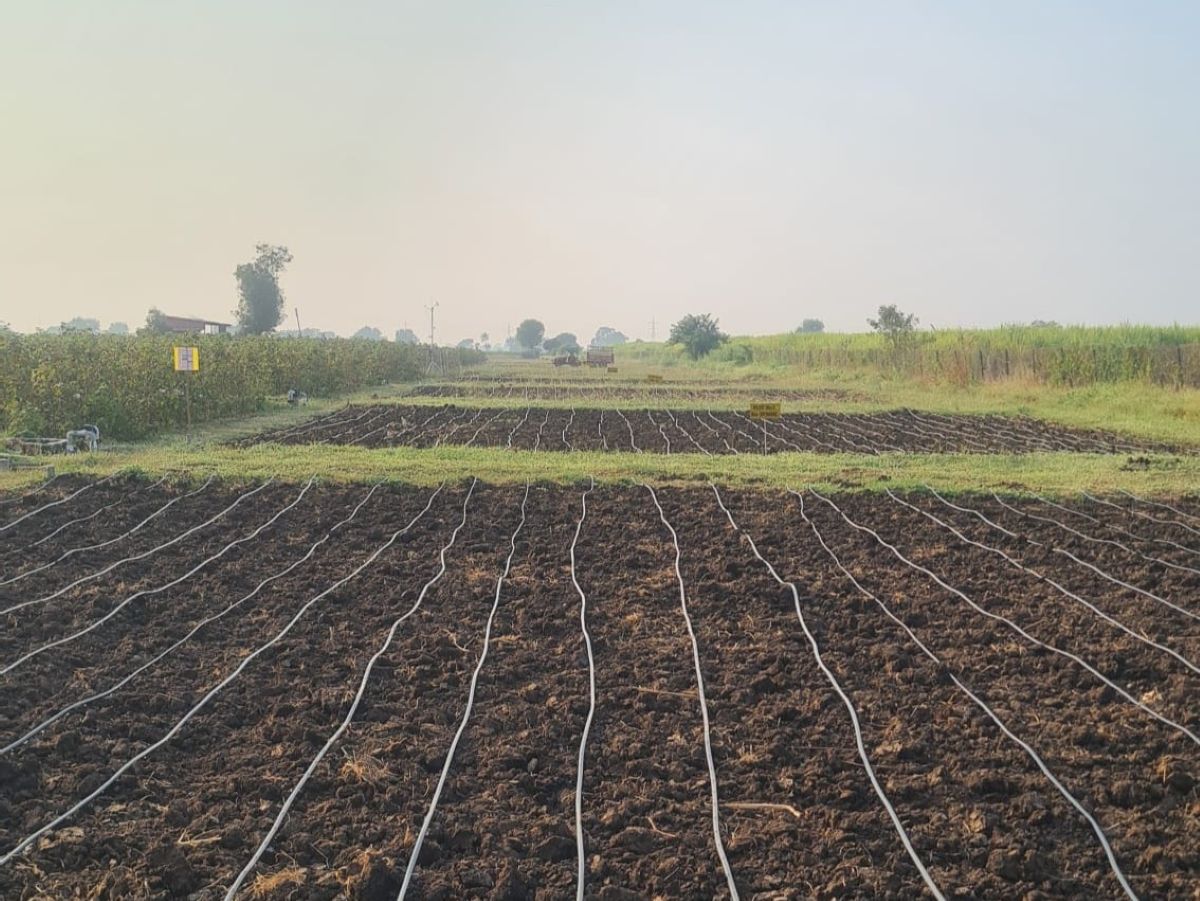
Some wealthier farms are already using drip irrigation. It requires capital for the purchase and technical expertise. There are subsidies, but these are awarded according to a lottery system, so that only a few benefit. Some have also abandoned the technology - for example because of mice or blockages caused by water containing minerals. Such technologies alone do not solve the water problem. There is often a rebound effect: because irrigation is more efficient, larger areas are planted − so overall, no water is saved, which would be necessary to make it available to more farming families.
Alternatively, there are also other agroecological approaches, for example the cultivation of plants with low water requirements or mulching. The project supports farming families in applying such methods.
There are alternative approaches to communal water use, for example "community-led groundwater management". What does that mean?
This involves village communities taking responsibility for water use themselves – in other words, a decentralised approach, as opposed to the top-down regulation that used to be the norm. This is still in its infancy in the region, but it has become established in other parts of India.
Community coordination is already working better when it comes to the utilisation of surface water. One example of this is the so-called canal organisations: All members pay a contribution, elect representatives and decide jointly on utilisation. In this way, water can be distributed more fairly – even if social inequalities and corruption remain challenges.
In India, you also had some unusual office residents such as the Bengal monitor in the photo. How did you experience your time there?
It was a very formative experience for me because I had never travelled for so long in a different cultural context before. A lot of things were overwhelming at first, but the local team gave me great support. I remember arriving on the first day dead tired from the flight – and immediately being wide awake again as we drove through the city of Indore because so much was happening at the same time. I often had to laugh, simply out of surprise and joy at the many new impressions. The monitor lizard in the office was just one of these adventures.
There are many means of transport in India – from motorbike to camel. Which would you choose, and what is your next destination?
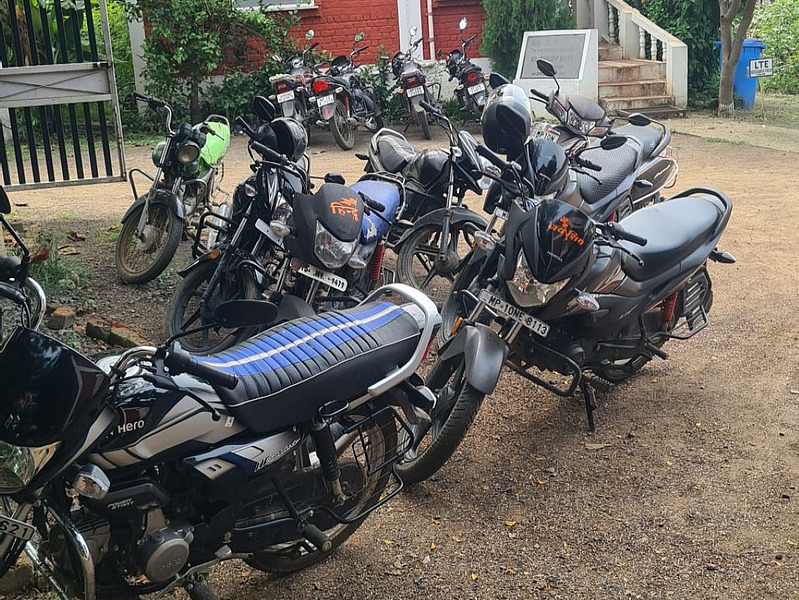
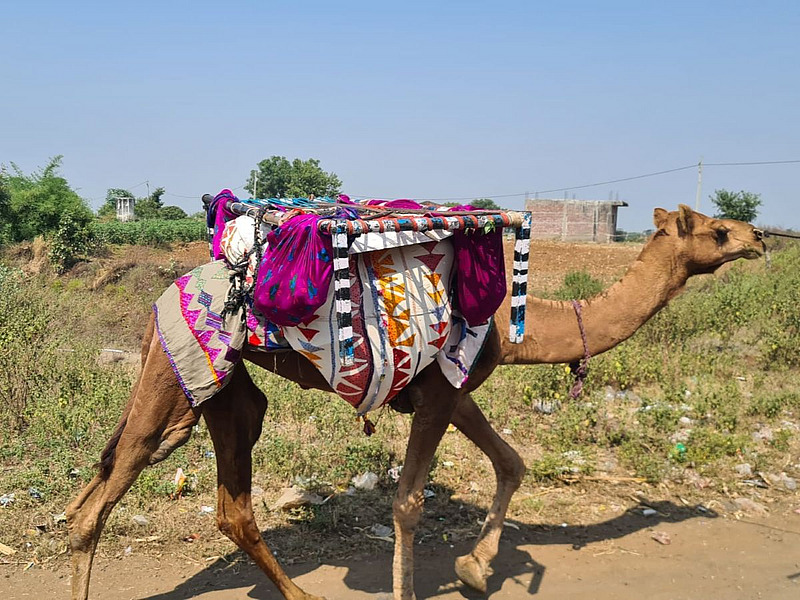
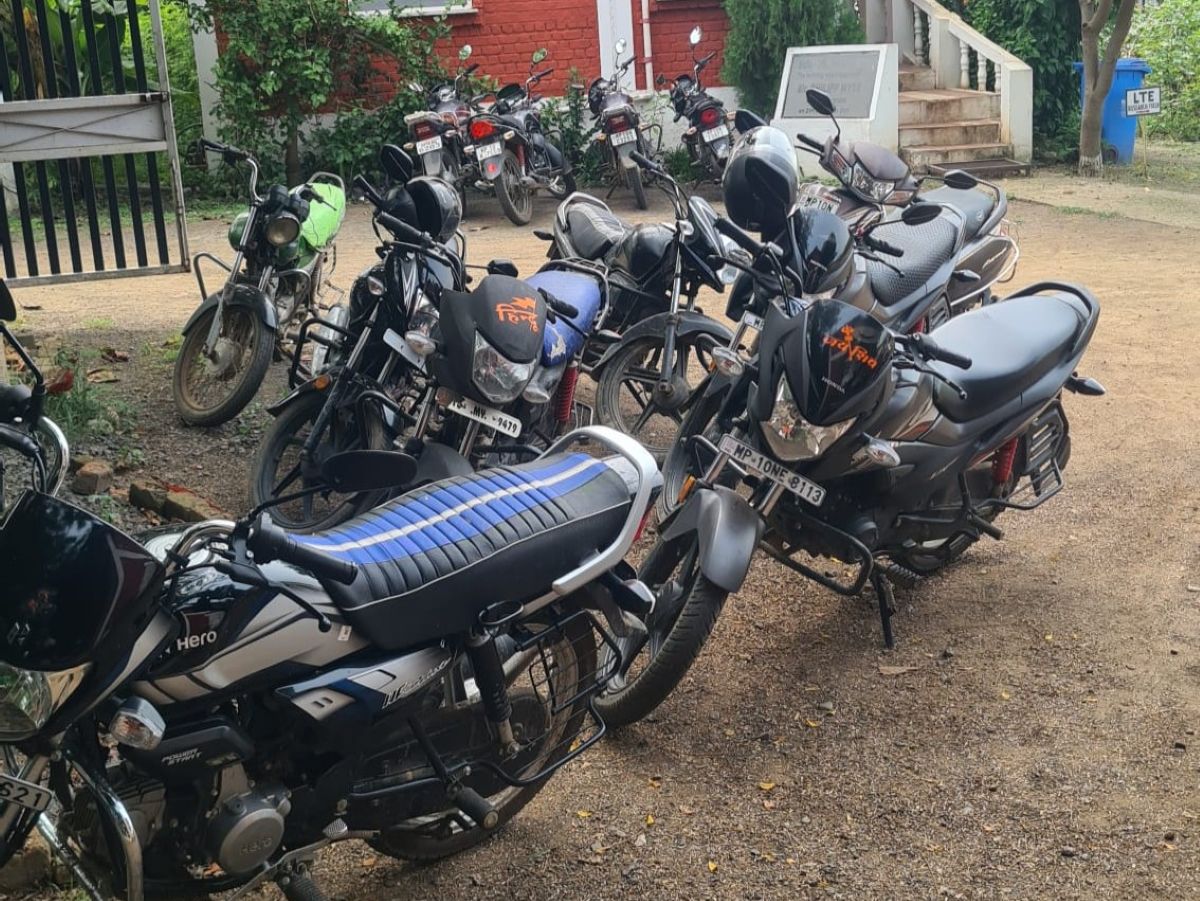
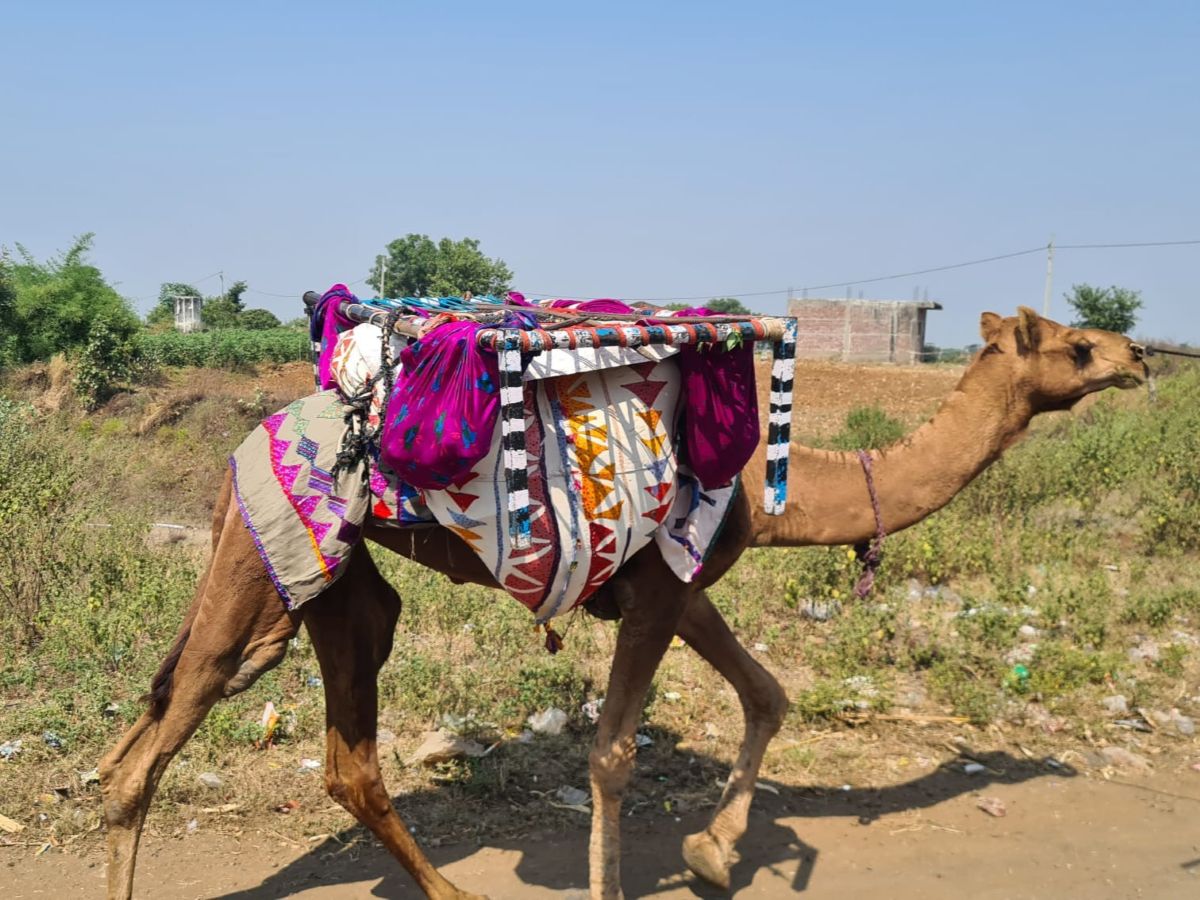
I have never ridden a camel – they are mostly used for transporting materials. However, I have often ridden a motorbike, which was great fun. As for my personal goal: I'm still exploring, I'm happy to be on my way and I want to do something meaningful – something that helps people and has a positive impact. I definitely want to pursue the topic of water and international cooperation.
Interview: Selina Ulmann, FiBL
Further Information
The project "Long-term Comparison of Agricultural Systems in the Tropics (SysCom)" has been investigating the comparison of organic and conventional agricultural systems in Kenya, India and Bolivia since 2007. The aim is to gain scientifically sound insights into sustainable agriculture. The long-term trials analyse agronomic, ecological and economic aspects, supplemented by participatory on-farm research, in order to develop practical solutions for local farmers. In addition to research, the programme specifically strengthens local skills and promotes international dialogue on food security and environmental sustainability.
Since its inception, the project has been financed by Biovision, the Coop Fund for Sustainability, the Swiss Agency for Development and Cooperation (SDC) and the Liechtenstein Development Service (LED).
Contact
Links
- fibl.org: Project entry "Long-term farming systems comparisons in the tropics (SysCom)"
- systems-comparison.fibl.org: Project website SysCom